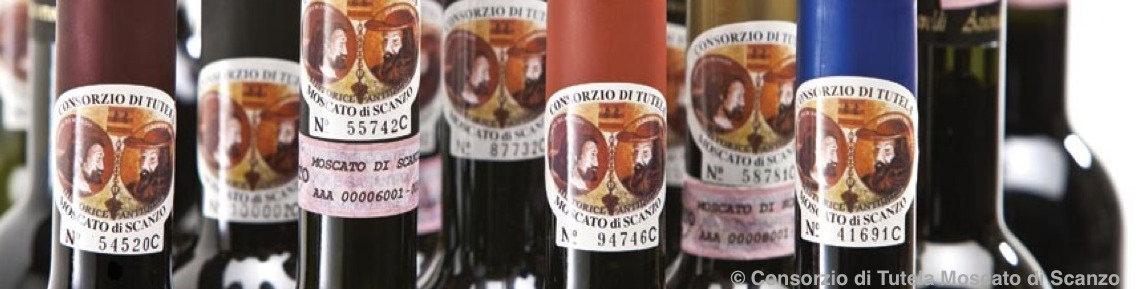
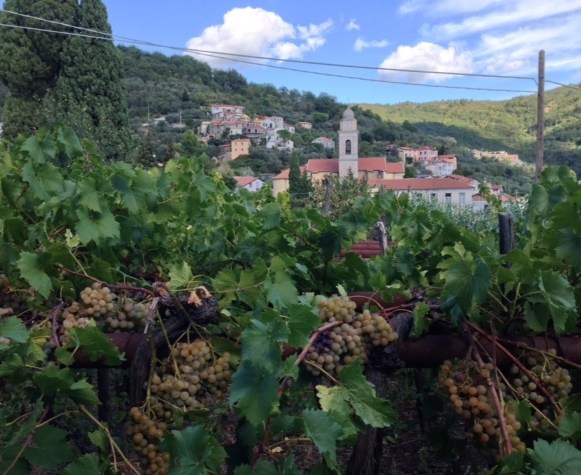
 The Moscatello di Taggia has been a welcome guest at the English and Flemish royal courts as well as at least some papal tables since the 14th century. For a long time, this wine was considered a symbol of Ligurian viticulture, until in the 19th century the phylloxera decimated the existence of this variety to the point of insignificance and thus the grape variety was forgotten. It was only in 2003 that around 20 plants of this grape variety were …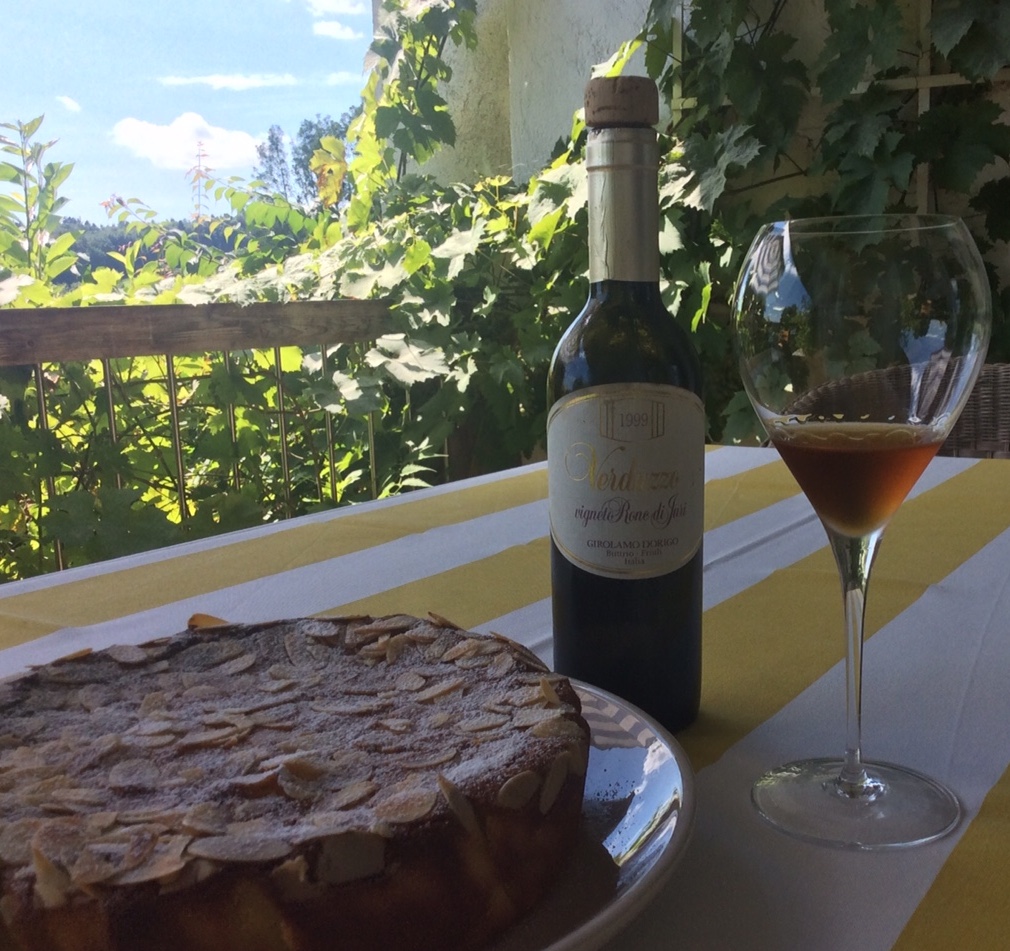

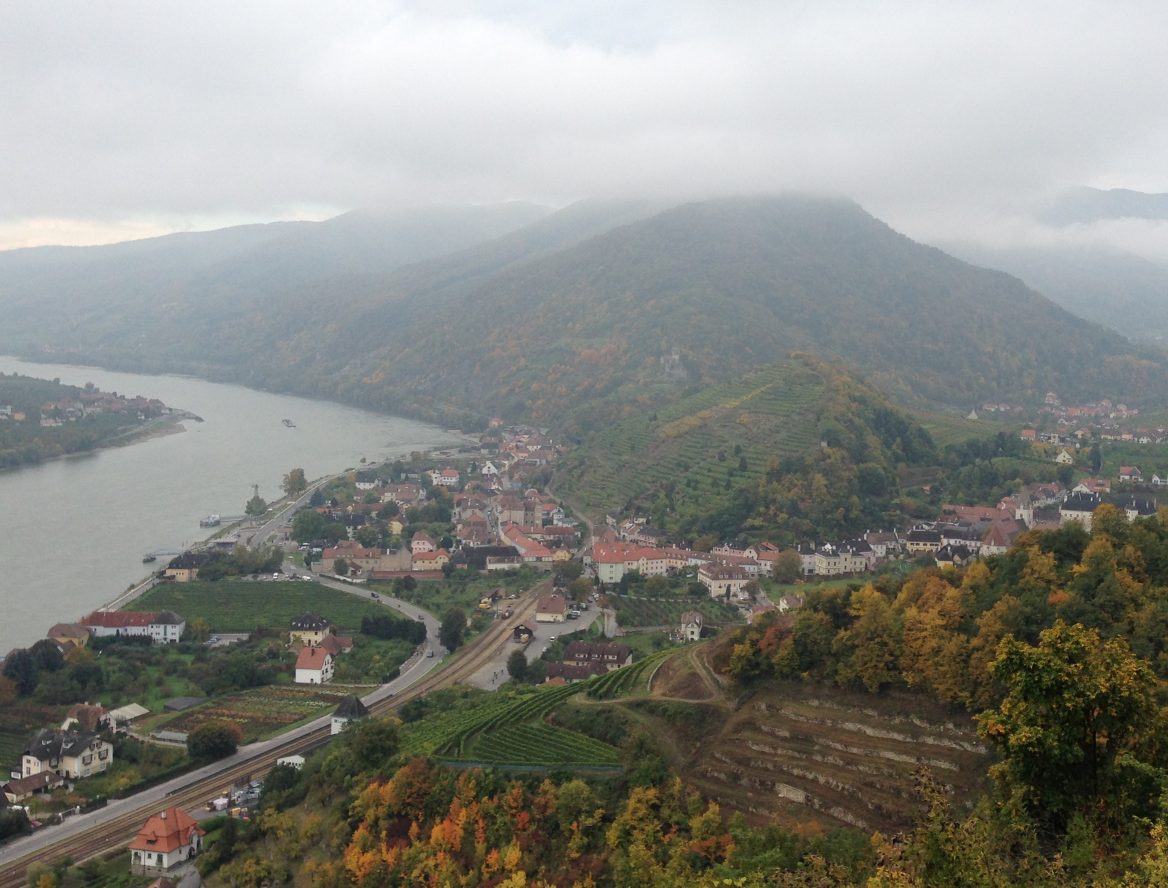
Hans had invited to taste Austrian sweet wines, this time already matured ones, mostly from Riesling. This grape variety does not play the main role in Austrian viticulture, as on the Rhine and its tributaries. However, it is the second most widely cultivated white grape variety in the vineyards located along the Danube, in the Wachau, in Kremstal and Kamptal – but by a long way behind the main vine Grüner Veltliner.
Warm Pannonian eastern air together with a moderate western Antlantic influence, as well as moist cool falling winds from the Waldviertel and Weinviertel