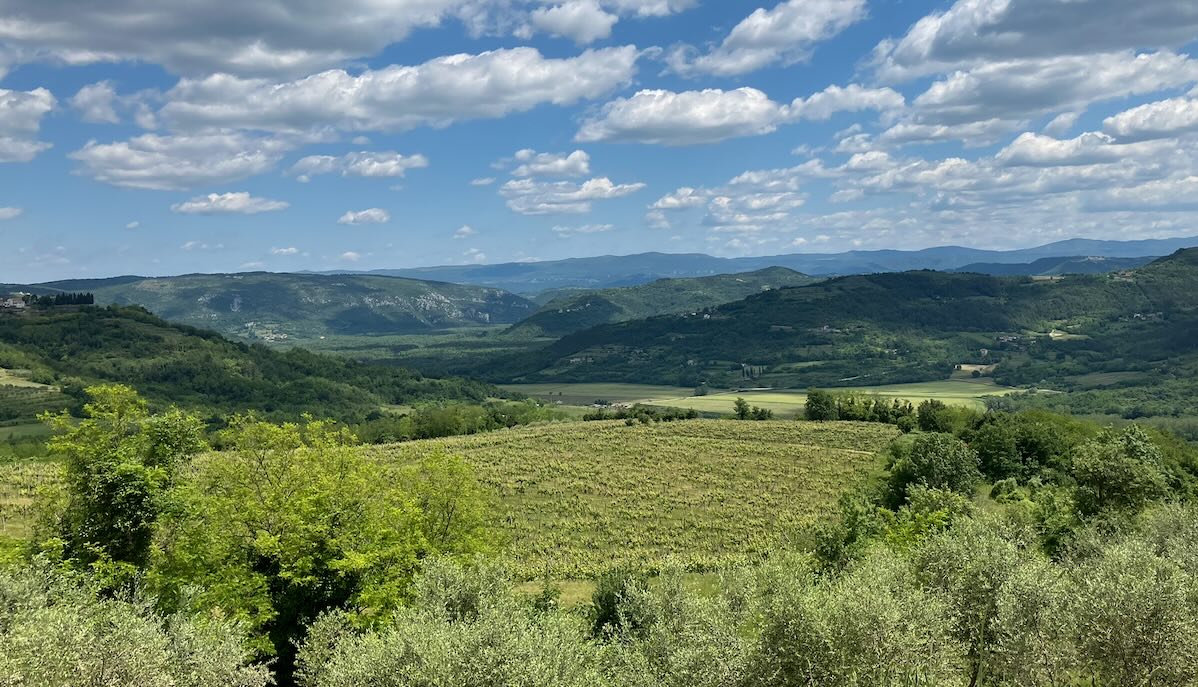
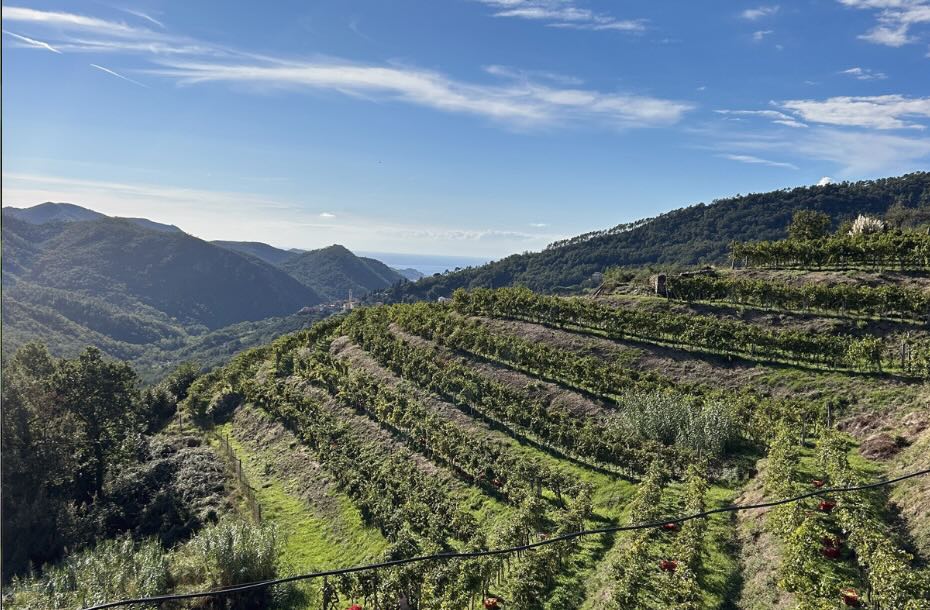
The Kozlović family has been growing wine in Istria—specifically in the Vale Valley near Momjan—since 1904. The estate cultivates around 30 hectares of vineyards, planted predominantly with indigenous grape varieties. International varieties such as Sauvignon Blanc, Cabernet Sauvignon, and Merlot round out the selection.
Spätlese is a wine made from late-harvested grapes defined by the sugar content of the grapes at the time of harvest and can be either dry or sweet (fruit-sweet). Depending on the grape variety and growing region, the minimum must weights for this category range from 76° to 95° Oechsle in Germany. In Austria, the minimum must weight is 19° KMW (*Klosterneuburger Mostwaage*), which corresponds to slightly more than 94° Oechsle. In Austria, *Spätlese* wines are predominantly vinified as dry wines—meaning a residual sugar level
First of all: The Petit Doux is by no means a “small” (light or minor) sweet wine, as the name might suggest. The “Petit” refers to the name of the grape variety—Petit Manseng. This is a variety used to produce outstanding sweet wines in southwestern France, primarily in the Jurançon and Pacherencdu Vic-Bilh appellations. Thanks to its small, loose clusters and small, thick-skinned berries, the variety is not only highly resistant to botrytis but also capable of concentrating sugar within the berries while retaining high acidity—
Located to the west of Lake Neusiedl and the Leitha Mountains, Jois lies in the northern part of the wine-growing region of the same name—a region that extends southward as far as Mörbisch, at the southern end of Lake Neusiedl. It is in Jois that one finds the Martin Pasler Winery, whose Beerenauslese we tasted. Established in the 17th century, the winery has been managed by Martin Pasler since 1994—and has been farmed organically since the year 2000.
Sweet Muscat wines, produced from a wide variety of Muscat grape varieties, can be found in many different styles throughout Italy. Sweet wines crafted from Moscato Bianco (Muscat Blanc à Petits Grains) are found in only about half of Italy’s wine-growing regions—and even then, usually in just a single DOC. We tasted a sweet Muscat wine from Liguria: the 2024
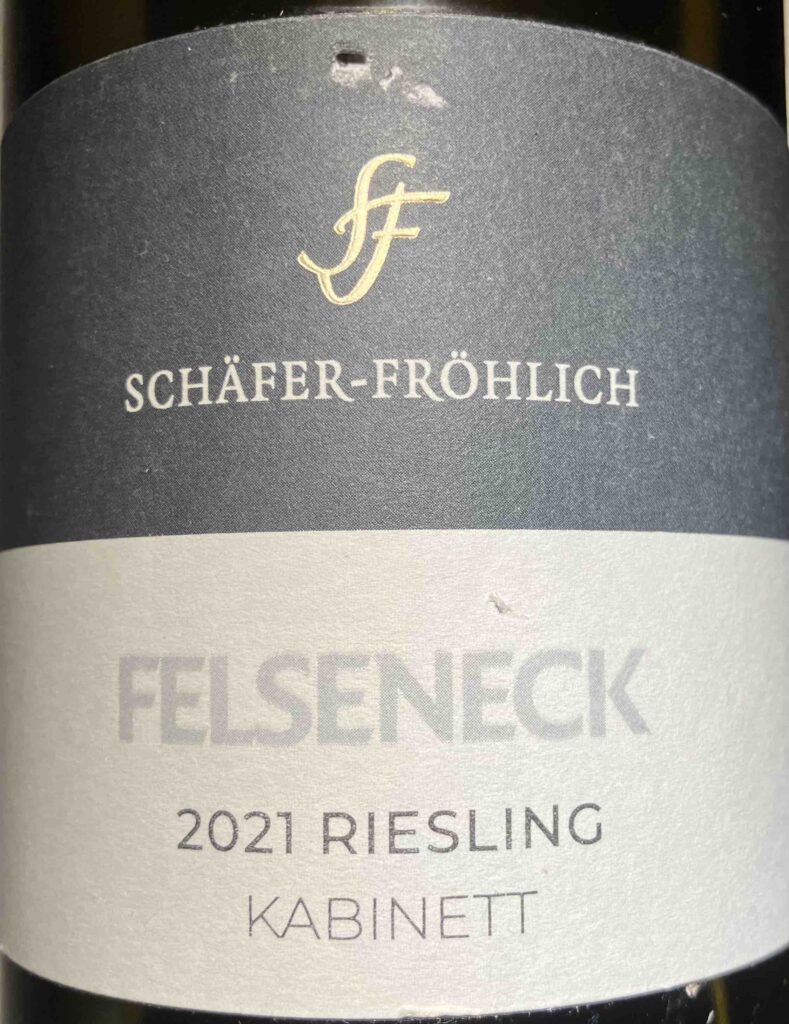
The Schäfer-Fröhlich winery is known for its philosophy focused on origin and terroir. Tim Fröhlich strives for wines that possess finesse, elegance, and a clear expression of their place of origin, and is convinced that Riesling is best able to reflect this.
The Riesling Kabinett Dorsheimer Pittermännchen 2021 from Schlossgut Diel, which we tasted three years ago, was excellent. This time, we tasted a Riesling Auslese 2023 from the winery’s Dorsheimer Goldloch vineyard. Although the two vineyards border each other, the grapes thrive on different soils. While slate is the dominant characteristic of the Pittermännchen vineyard, the spicy, often slightly smoky nose of the Goldloch vineyard is likely due to the bedrock beneath the heavily gravelly loam soils. With a slope of up to 55%, the vineyard demands a high level of work. On the other hand, this incline, combined with the south to southwest exposure of the vineyard, ensures excellent sun exposure, which promotes ripening.
With a slope of around 65 degrees, the Erdener Prälat is one of the steepest vineyards in Germany. The site also boasts an exceptionally high proportion of old, ungrafted Riesling vines. Thanks to its southern exposure in the Moselle loop and the heat-retaining rocks, the site enjoys a very warm microclimate, from which the vines benefit. The red slate soil also contributes to the complexity of these top-quality Rieslings. We tasted one of these examples, the 2022 Riesling Auslese Erdener Prälat Alte Reben from the Dr. Hermann winery.
Klaus gave me the sweet wine, which he has as always carefully selected to match the dessert, – just as he had done on our last visit. This time: a Greek sweet wine from the 2014 vintage, called Pollios Oinos, produced by the Anatolikos Vineyards winery. This winery, which continues a program begun in 2000 to revive a famous ancient vineyard, was founded in 2005 in the Thracian town of Avdira.
The organically certified winery is run by the two brothers Marios and Sakis Nikolaidis.