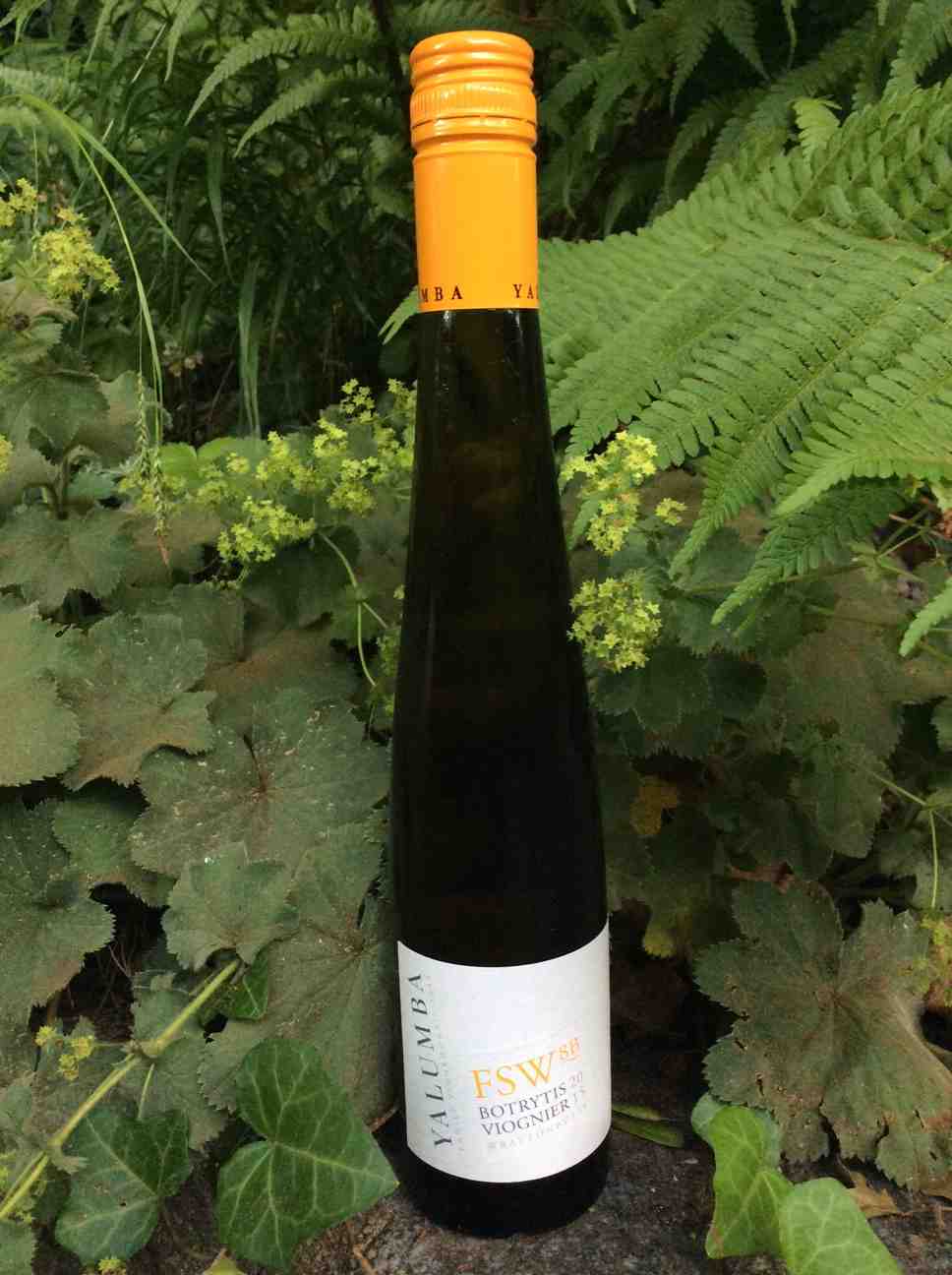
Szamorodni, a word of the Polish language means “as grown”, which means in this case, that for these wines, the grapes are harvested as they are currently on the vine, so not only the berries infested by noble rot are selected, as it is the case with the harvest for the Tokaji aszú. Whether the so-harvested bunch of grapes produce the dry Szaomordni száraz or the sweet Szamorodni édes depends largely on the percentage of grapes infested by Botrytis (noble rot), because those have a higher sugar content than ripe grapes. The main part of the harvested grapes
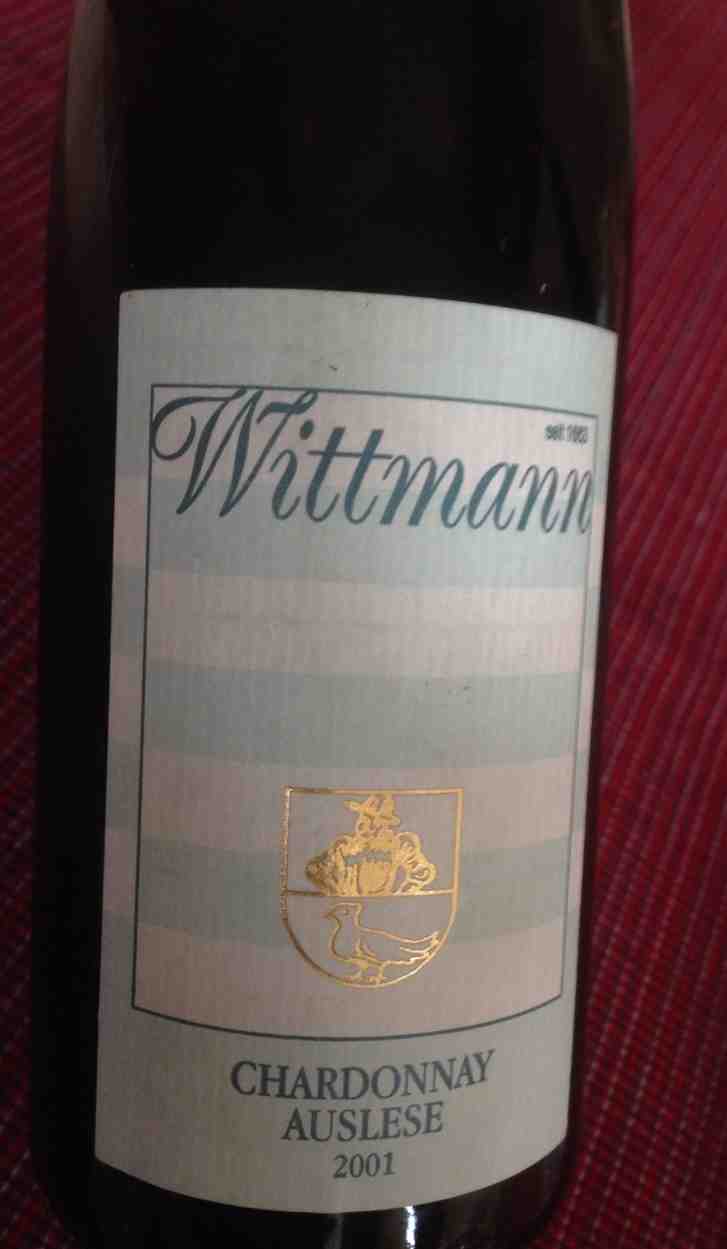
Chardonnay is a very versatile variety, which is reflected in dry wines in a variety of wine styles. Usually dry wines are produced with this variety, but there are also sweet and noble sweet Chardonnay variants, especially in Germany and Austria. Two characteristics make Chardonnay a very well suited grape variety for sweet wines. On the one hand, the variety definitely has enough acidity to balance residual sugar, on the other hand, the berries’ shells are thin enough to facilitate …
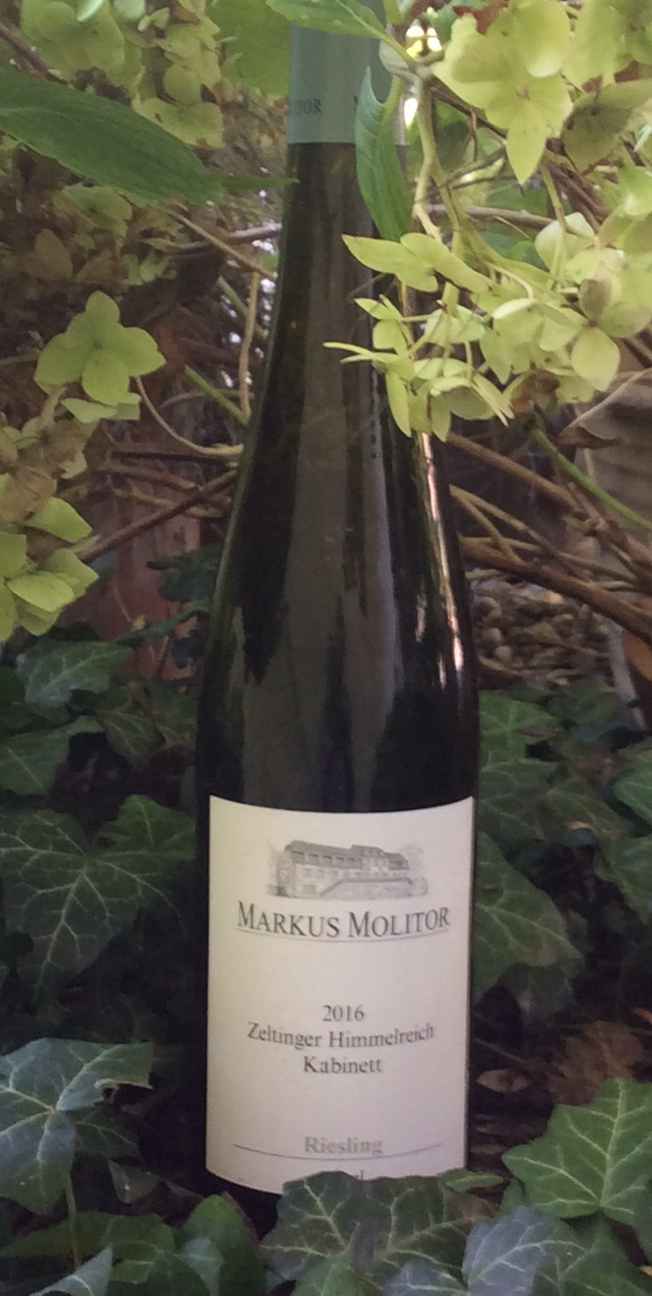
There are four different grades of sweetness according to German and EU wine law: dry, semi-dry, semisweet and sweet, in addition, one also finds the term feinherb. A term probably only used in Germany, which should convey to the consumer that the wine has a fine, slightly herb note, even though or just because it is not dry.
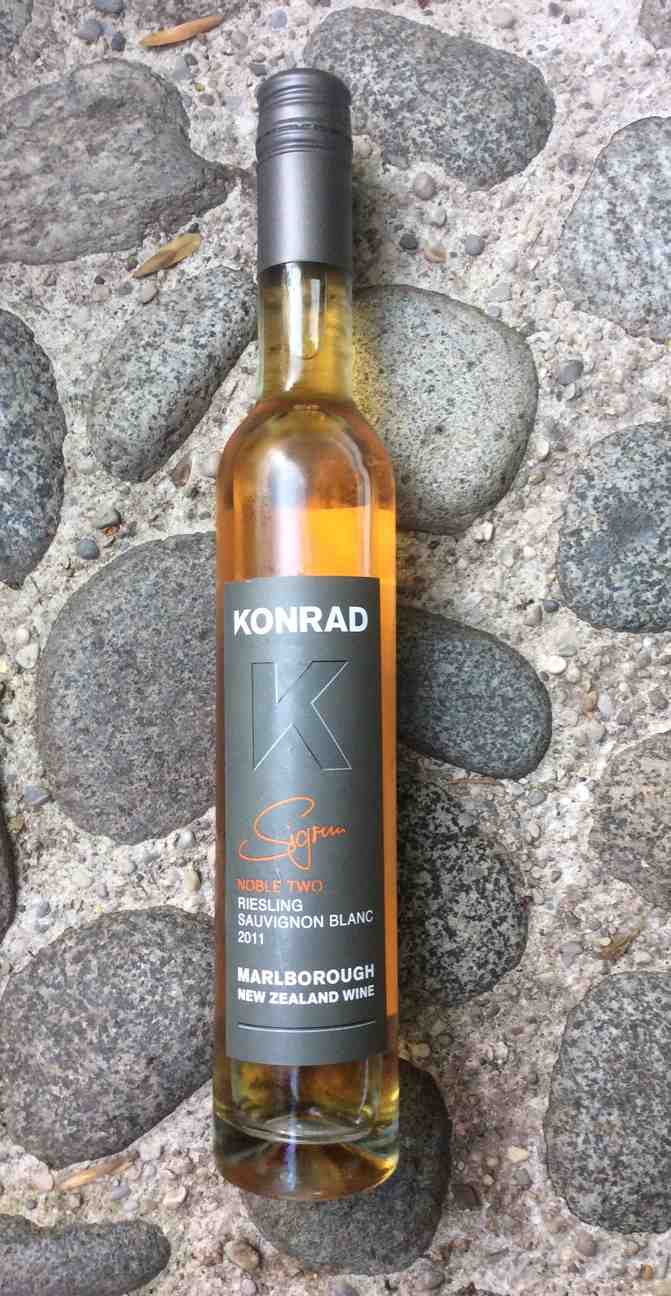
The fact that first-class dry Sauvignon Blanc is produced at Marlborough on New Zealand’s South Island only became known at the end of the 1980s, when Cloudy Bay‘s Sauvignon Blanc became a cult wine. Sensitivity to botrytis makes this grape variety a suitable candidate for sweet wine, as does the Riesling. If the microclimate is right, there is a body of water like river or lake nearby, so wet fog can develop with its humidity, but quickly dry off …
Puglia, which competes against Sicily for the second largest wine-producing region in Italy, is known for its high yields in viticulture, even in DOC areas. There are nearly a dozen sweet types of wine in Puglia, including the sweet specimen of the otherwise dry Apulian Primitivo di Manduria and, almost inevitably in Italy, a sweet Moscato.
There are more than 60 wine growing regions in Australia, I suppose in this country only few fans of Australian wines know more than a handful of these regions: for example Shiraz from McLaren Vale or Barossa Valley or Cabernet Sauvignon from Coonawarra.
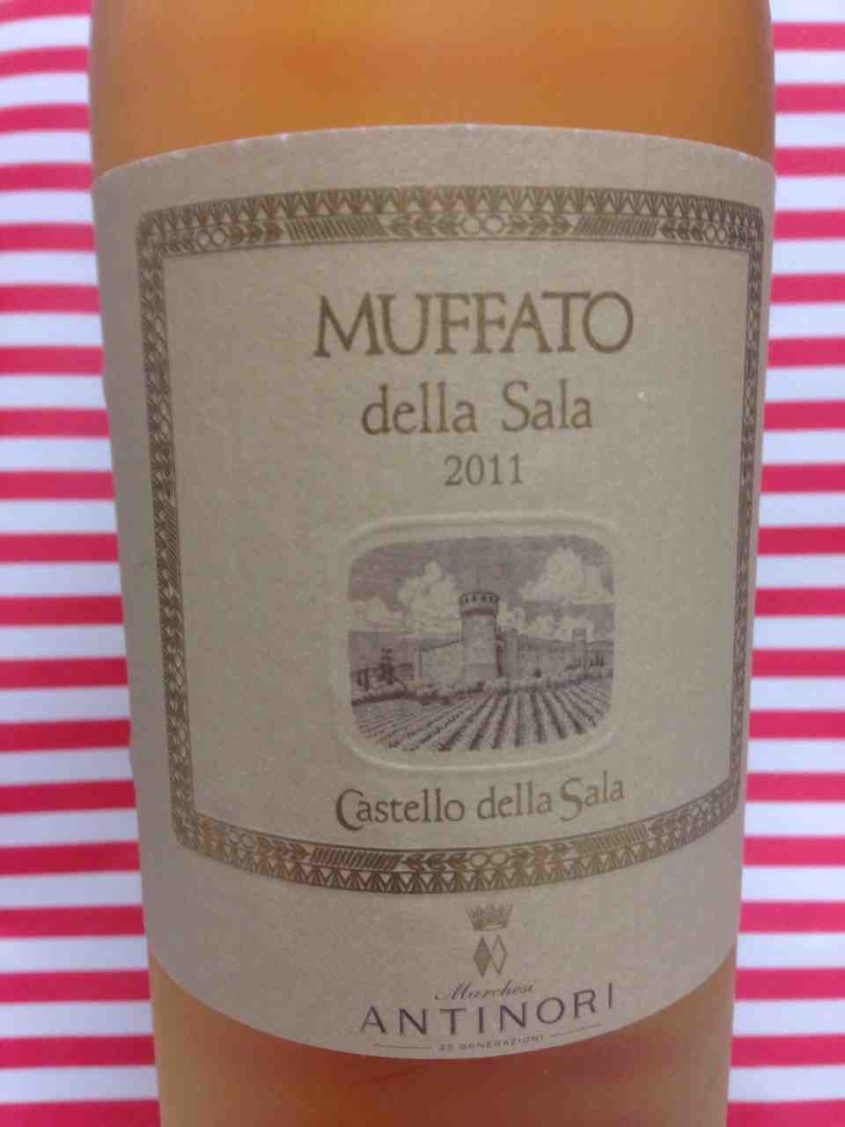
At our Italian evening Hans and I agreed in the judgment of the Muffato della Sala 2011 by Castello della Sala: In the nose like Sauternes, on the palate somehow stronger, the sweetness a bit too noticeable, there are some similarities with Passito, nevertheless no Passito – in short one very good, original Italian sweet wine.
Sauvignon blanc is not necessarily everyone’s favorite, at least for the dry wines. Some people because of its aromas can not drink enough of it , others refrain entirely from it because of the aromas. The flavors can vary greatly depending on the harvest time. With increasing maturity, the spectrum of aromas of grass, herbs, green fruits, boxwood, gooseberries, elderberries and yellow fruits often shifts, especially with ripened specimens supplemented with vegetables, asparagus and cabbage.