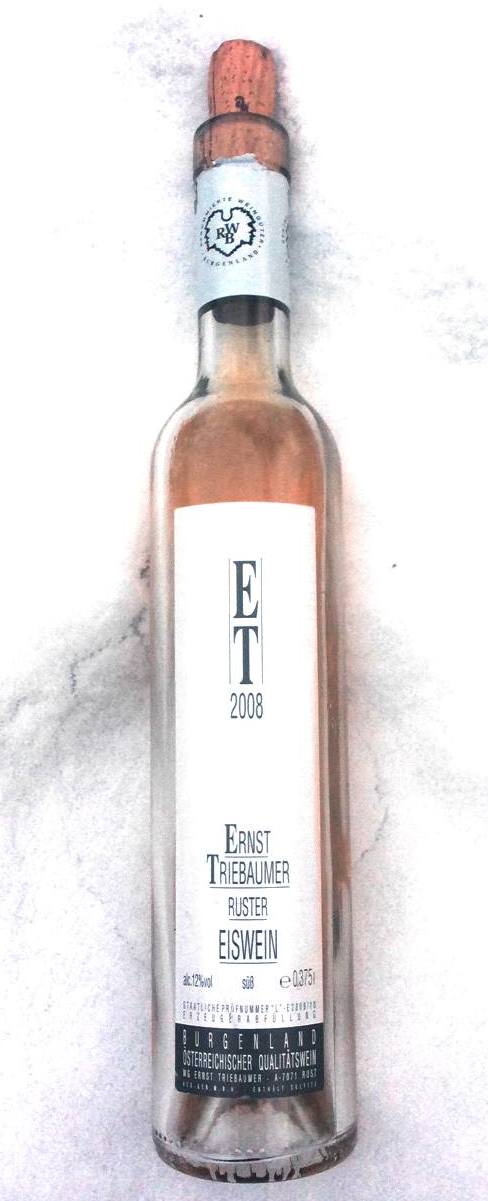
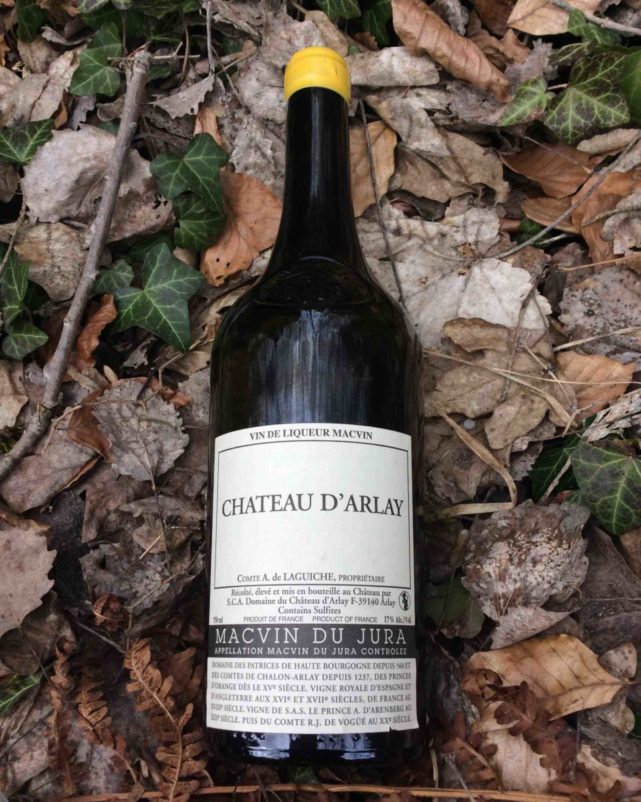
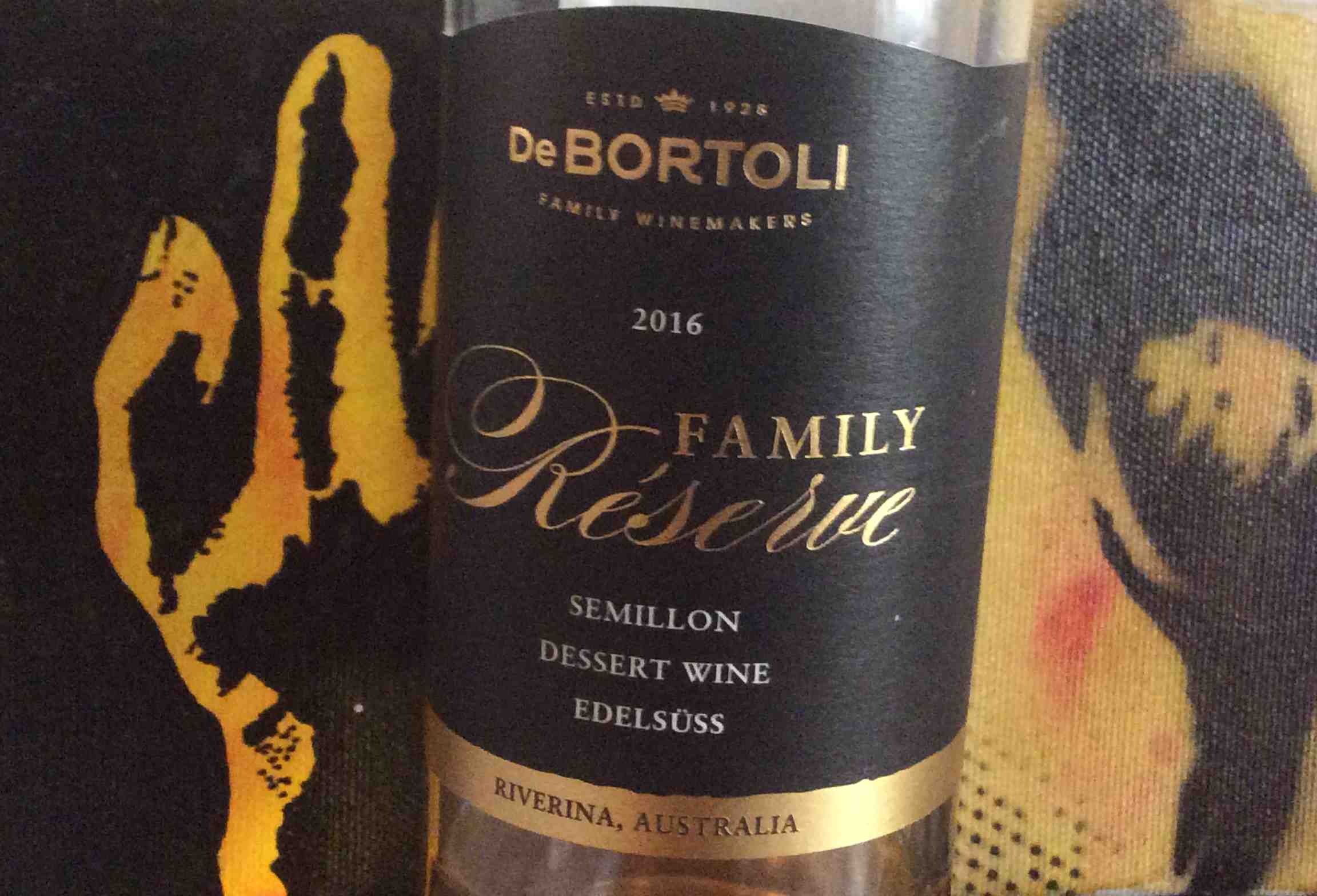

Around 1,500 km separate the foothills of the Alps south of Munich and Jurançon in France, but despite this distance, both have a climatic similarity: the Foehn, a dry warm wind from the mountains, always blowing from the south. In wine-growing areas north of the Alps, in the autumn, the grapes intended for the production of a sweet wine can dry and rosinate in the vineyard on the vine, naturally concentrating the sugars. A well-known example of a sweet wine that benefits from the Foehn is a Flétri from Valais.
South Tyrol – feinherb to sweet
Around 70% of South Tyrolean wines are produced by cooperatives, which belong to the pioneers of quality development. At this year’s wine trip to South Tyrol, the Winery Bolzano was on our visit program. The new construction of the winery has not only caused a stir architecturally. With around 40 million €, this is the most expensive investment in the wine sector in South Tyrol so far. 220 members of the cooperative are growing vines around Bolzano and manage … Read more ...


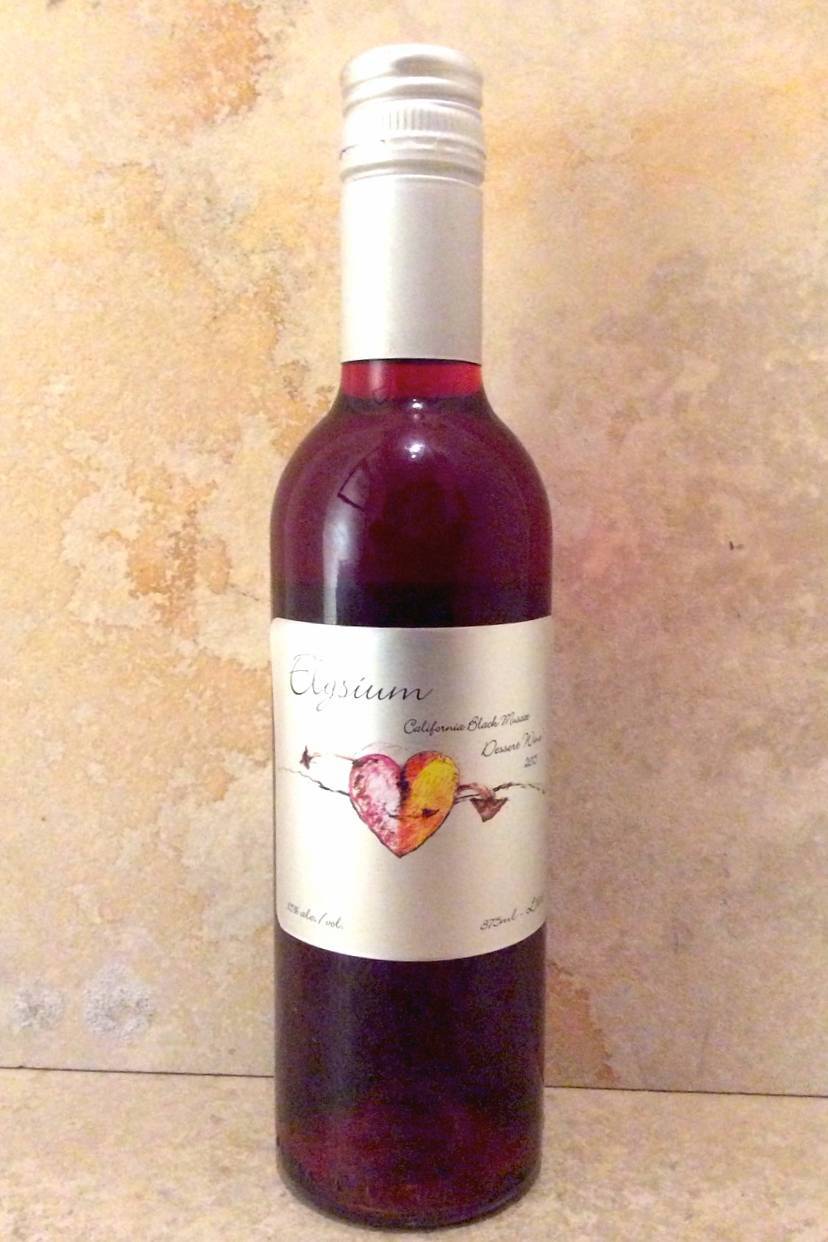
Black Muscat: never heard of it – but maybe already eaten? Muscat Hamburg, as the grape is called in Great Britain, is used in many countries mainly as a table grape, because of its ability to survive long transport routes very well.

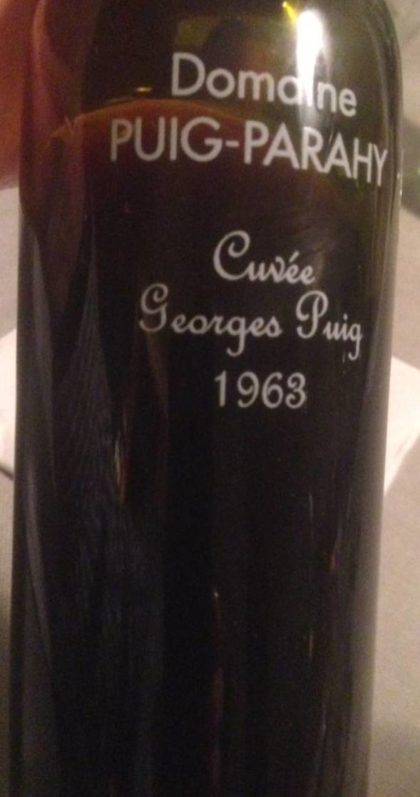
The Domaine Puig-Parahÿ is known for its Vin Doux Naturel (VDN). Nearly 50 vintages of Vin Doux Naturel, which are stored in Passa in the cellars of the Roussillon-based winery, are marketed. Many of these VDN date back to the last century. For Parker’s Wine Advocat, David Schildknecht had tasted just under a dozen of these VDN Rancios by Puig-Parahÿ from vintage vintages from 1875 to 1998 in 2009. They have been rated with 90 to 98 …
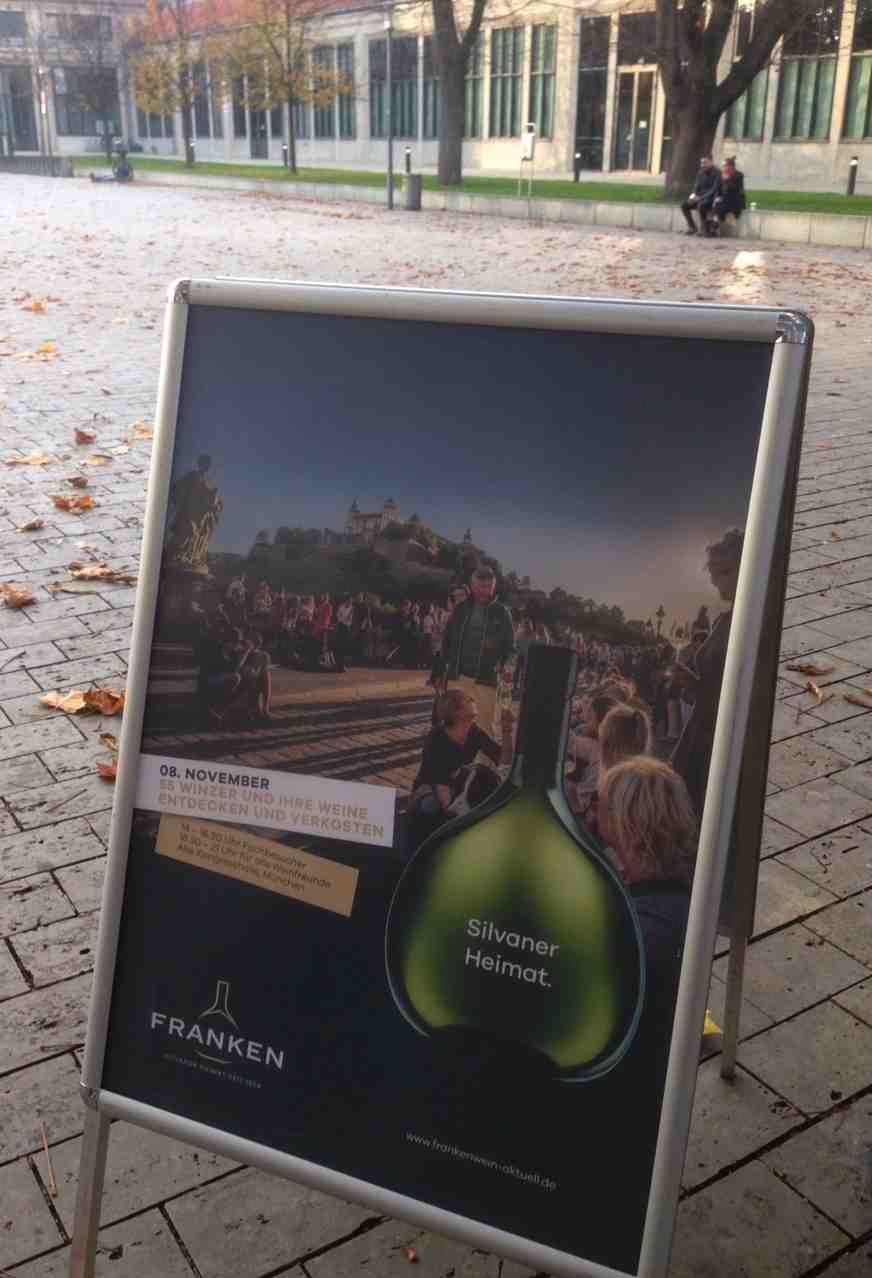
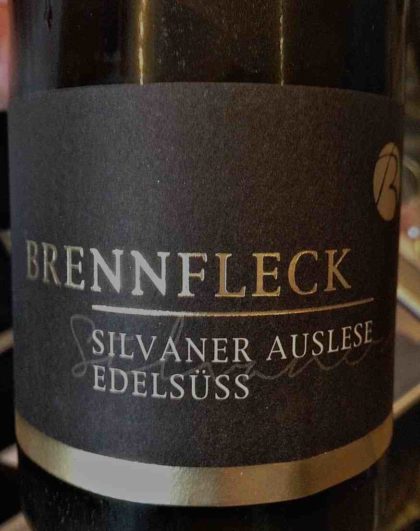
In the autumn, there are many wine events – selection is necesssary. Sweet wines are rarely to be found on tasting lists – if there is one -, mostly the winemakers have only dry wines with them. I wanted to taste dry Silvaner at the presentation of wine from Franconia, which was announced with the brand Silvaner Heimat seit 1659 (Home of Silvaner since 1659) created this year.
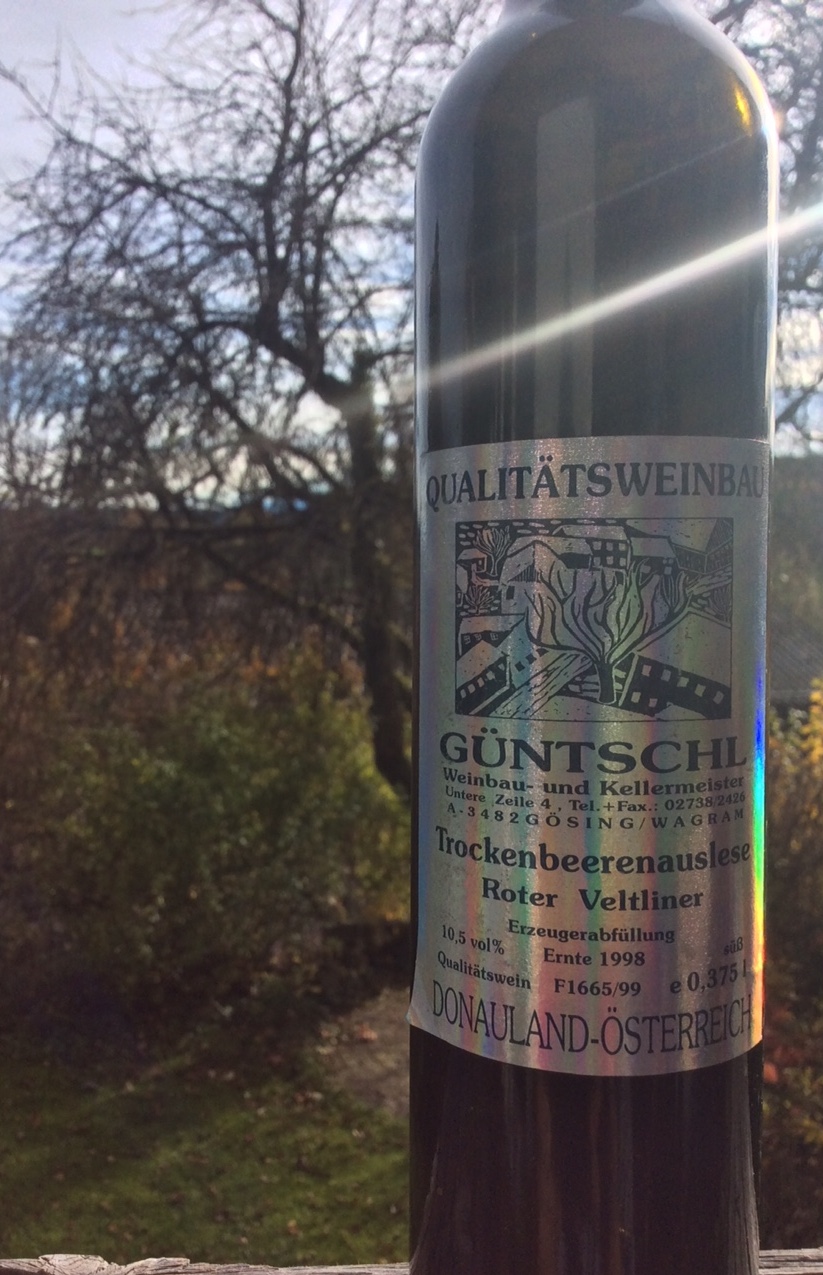
North and south of the Danube lies the Austrian winegrowing area Wagram. In the larger northern part of the wine thrives mainly on loess and sandy gravel soils. As in all of Austria, the Gruner Veltliner with a cultivated area of 1,330 hectares is also here the number one. Yet there is no other austrian winegrowing area in which more of the almost similarly named variety Roter Veltliner is cultivated than in Wagram – 82 hectares. With Gruner Veltliner, …