

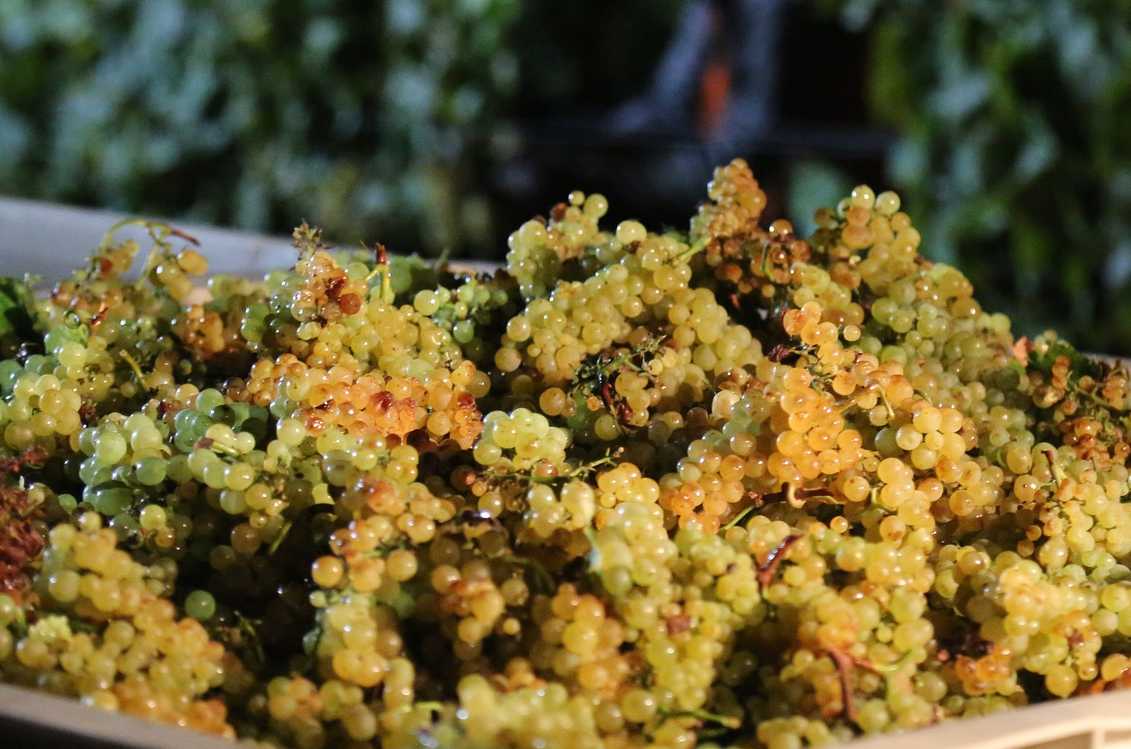
Trockenbeerenauslese from southern Styrian Opok

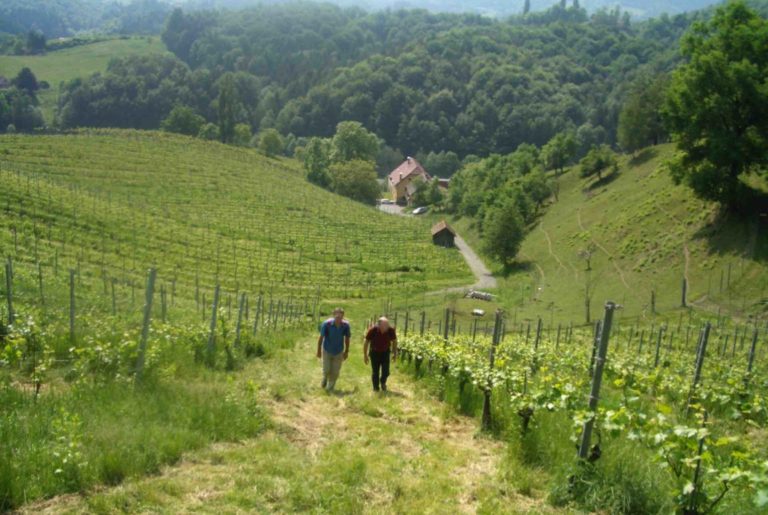
“Evi and I are going on vacation to southern Styria at the winery Tauss” my friend Udo told me. I, too, had been on vacation in the winery Tauss and bought wine there – the last, recently opened bottle of the red Traminer macerated and fermented on the grape skins in 2006 has been sensationally good. Only one sweet wine of Tauss was slumbering in the wine cellar, a 2002 Trockenbeerenauslese of Pinot Gris, in German named GrauburgunderRead more ...

Sicilian Notissimo

The baroque splendor of Noto is known beyond the borders of Sicily. Less known, however, is the Moscato di Noto from the variety Moscato Bianco pressed. The variety is quite common in Italian sweet wines. The Moscato di Noto is often sweet – but it is also traded in a dry version. In the regulations of the DOC Noto the sweetness of the wine is not determined, only aromatic and varietal should the Moscato di Noto be.
Exactly to the … Read more ...

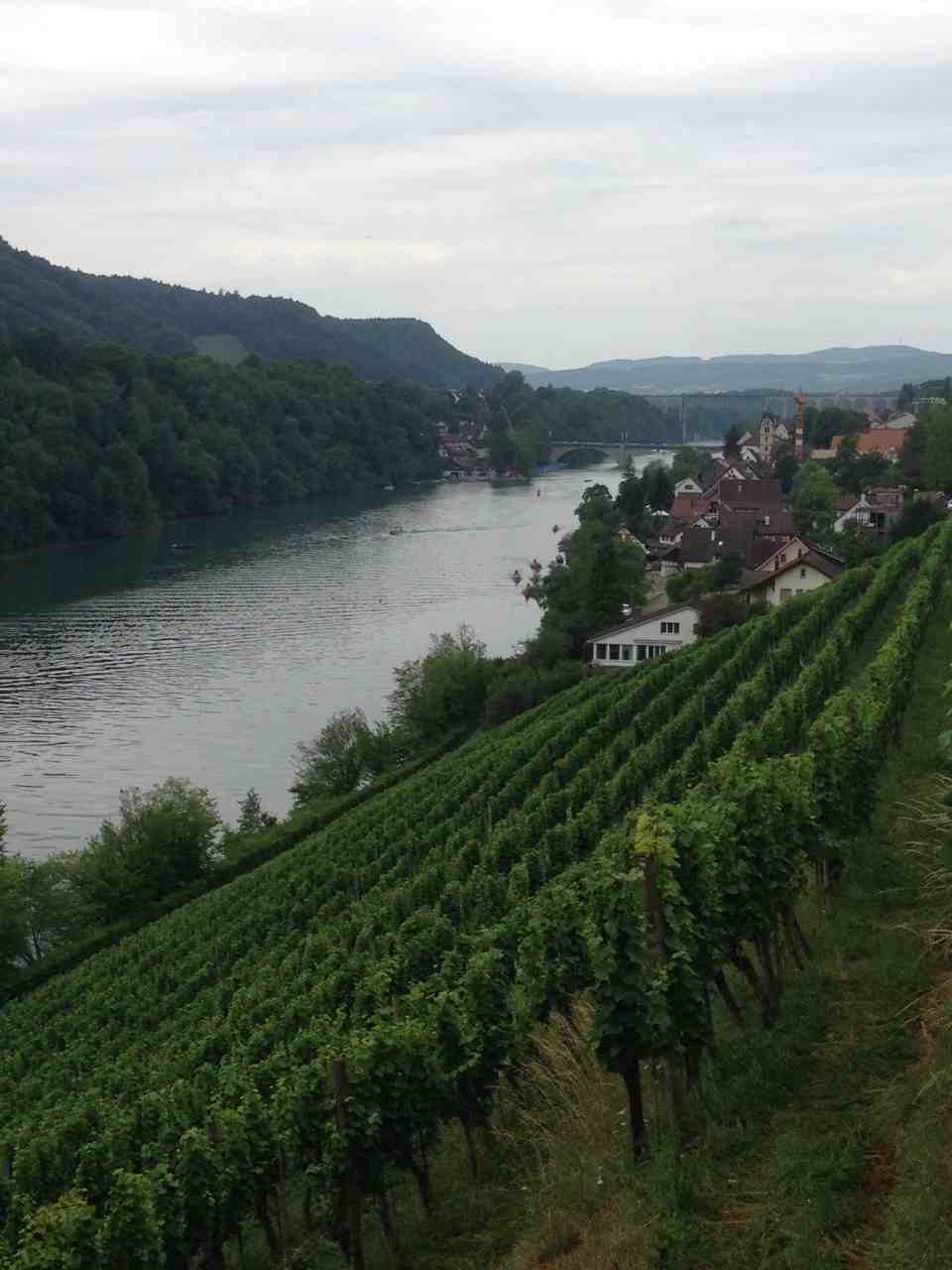
Swiss straw wine from the Rhine

From Ticino to Aargau our Swiss wine tour led us this year in June. We also got to know the Räuschling, an indigenous Swiss grape variety, of which only 25 hectares are cultivated worldwide, 18 hectares of which at Lake Zurich. The parents of the grape variety are the grape varieties White Heunisch, also known as Gouais Blanc or Gwäss as well as the vine named in the Jura Savagnin Blanc and in Switzerland Heida. GouaisRead more ...

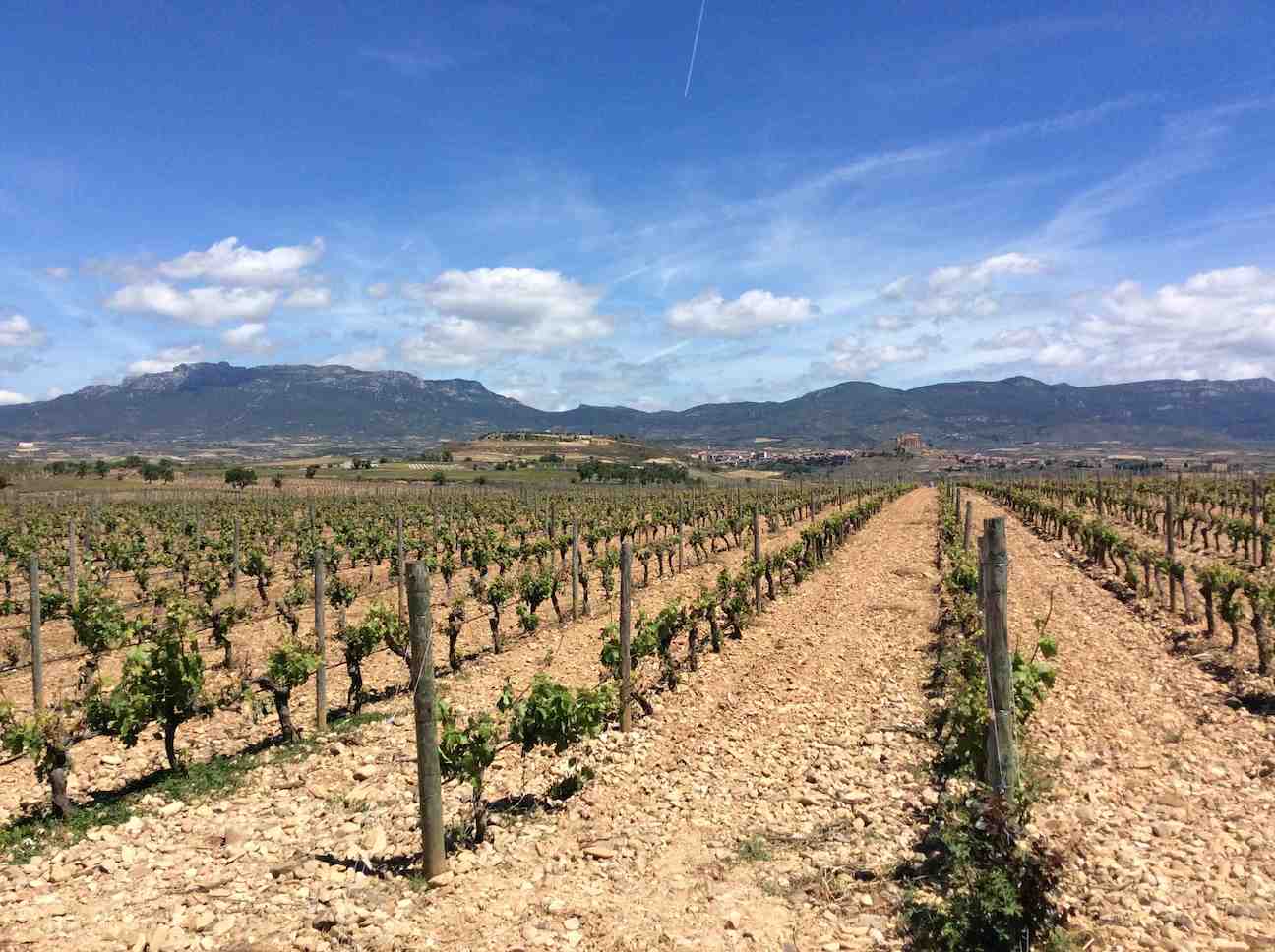
Dulce de Invierno – sweet wine from Rioja

The last wine tasted at Dinastía Vivanco, the tenth and last visited bodega in Rioja, was at the same time the first and only sweet wine of the entire Rioja wine journey in mid-May of this year. It was a sweet wine made from four of the five approved red grape varieties of the Rioja: Tempranillo (50%), Graciano (20%), Garnacha (20%) and Mazuelo (10%). A sweet wine made from this combination of grape varieties seems not gto be … Read more ...

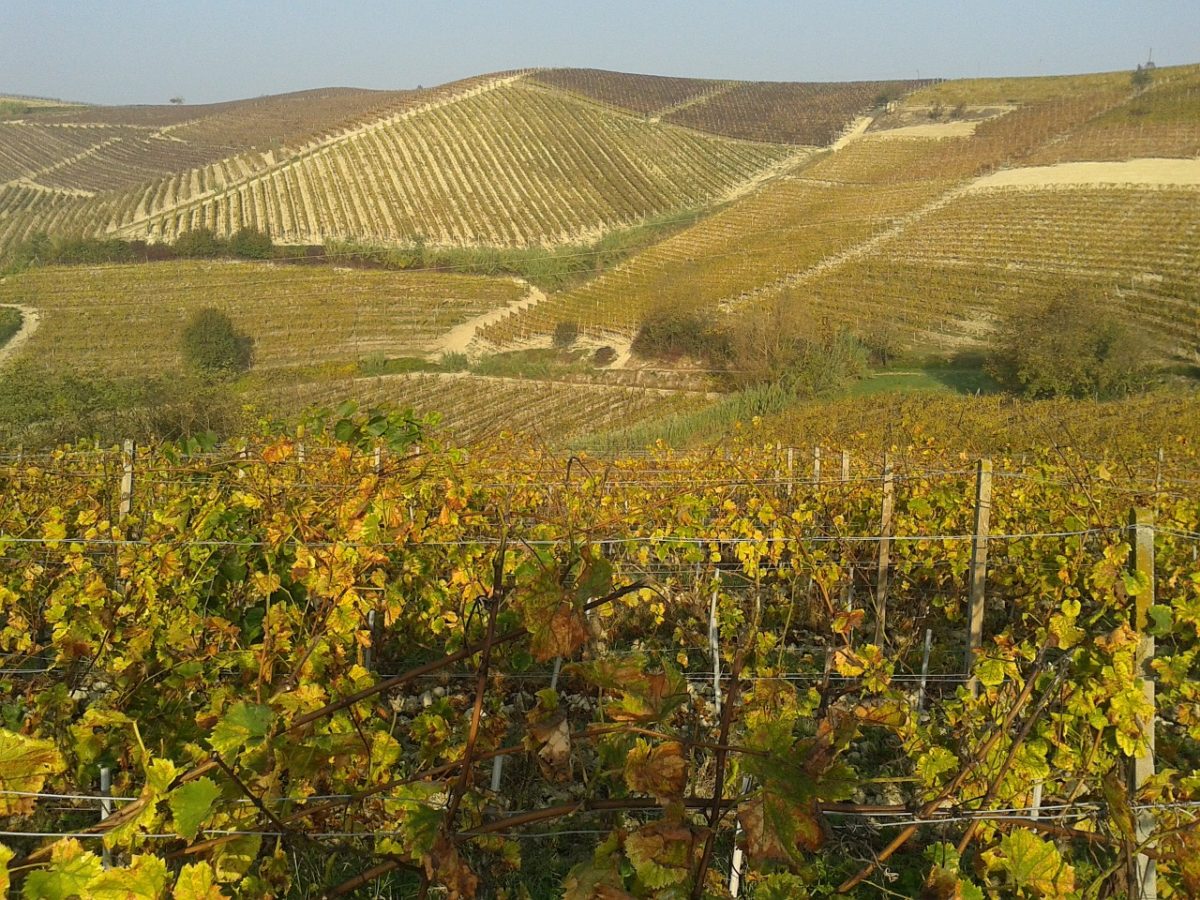
Chardonnay Day 2017 – TBA by Fred Loimer

Harvestehude Chardonnay grapes © pixabay.com

There are Cabernet Day, Grenache Day and a few more varietal days. Today is International Chardonnay Day and one thing is for sure: Chardonnay has earned this day as it is possibly the most adaptable grape variety that not only reflects the distinct terroir it grows on, but is also very sensitive to the techniques used in the cellar. That’s why Chardonnay comes in a variety of different styles: from taut and steely, through soft and creamy, to bold and opulent. In each of these styles, the Chardonnay grape variety is successful, as evidenced by very good placings at many of
Read more …

Ruché Passito di Castagnole Monferrato

Vineyards in  Monferrato © pixabay.com

Since 2010 the Ruché di Castagnole Monferrato has a separate DOCG (Denominazione di Origine Controllata e Garantita) although the grape variety, so to speak, was rediscoveredonly in the 1970s in Piedmont. Its then discoverer, Father Don Giacomo Cauda, ​​was so taken with the quality, body, aromas, flavors and aromas of the wines of his ten rows of ruché vines that he not only cultivated more of this variety, but even to inspire winemaker to increase plantings of it. Already in 1987 there was the DOC status, which at that time as well as today and also in case of the DOCG

Read more …

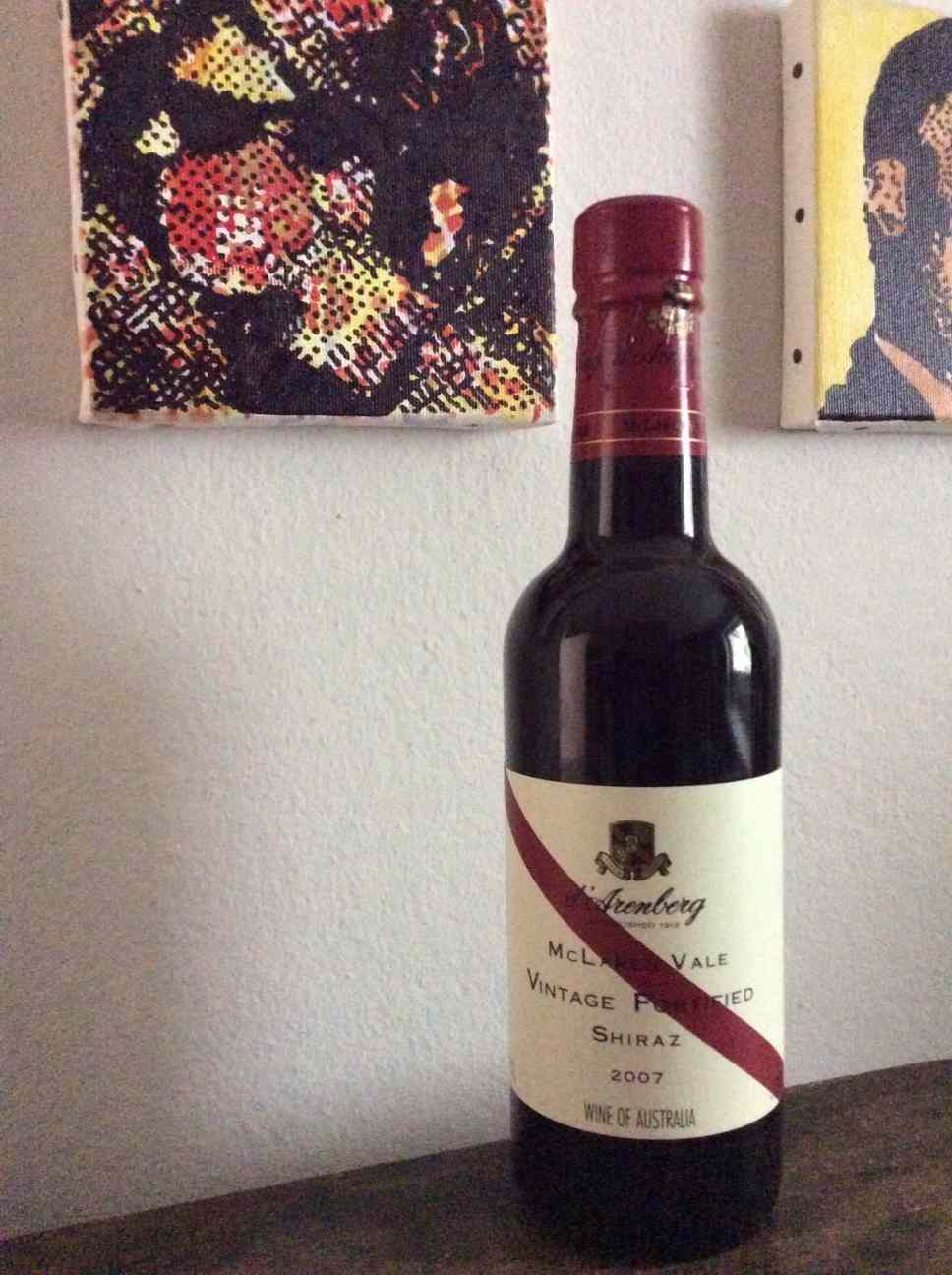
Vintage Fortified Shiraz – Australian Port Wine?


Definitely no! Although both are similar in winemaking, but the Vintage Fortified Shiraz 2007 of the winery d’Arenberg presented completely different, unlike Vintage Port.
Although Australia has been known for its full-fruity wines for many years, from the mid-19th century, for about 100 years, the alcohol-fortified wines, referred to in Australia as “fortified”, have dominated Australian viticulture.
The family winery d’Arenberg, founded in 1912 in the wine growing region of McLaren Vale in South Australia, produced mainly alcohol-fortified … Read more ...

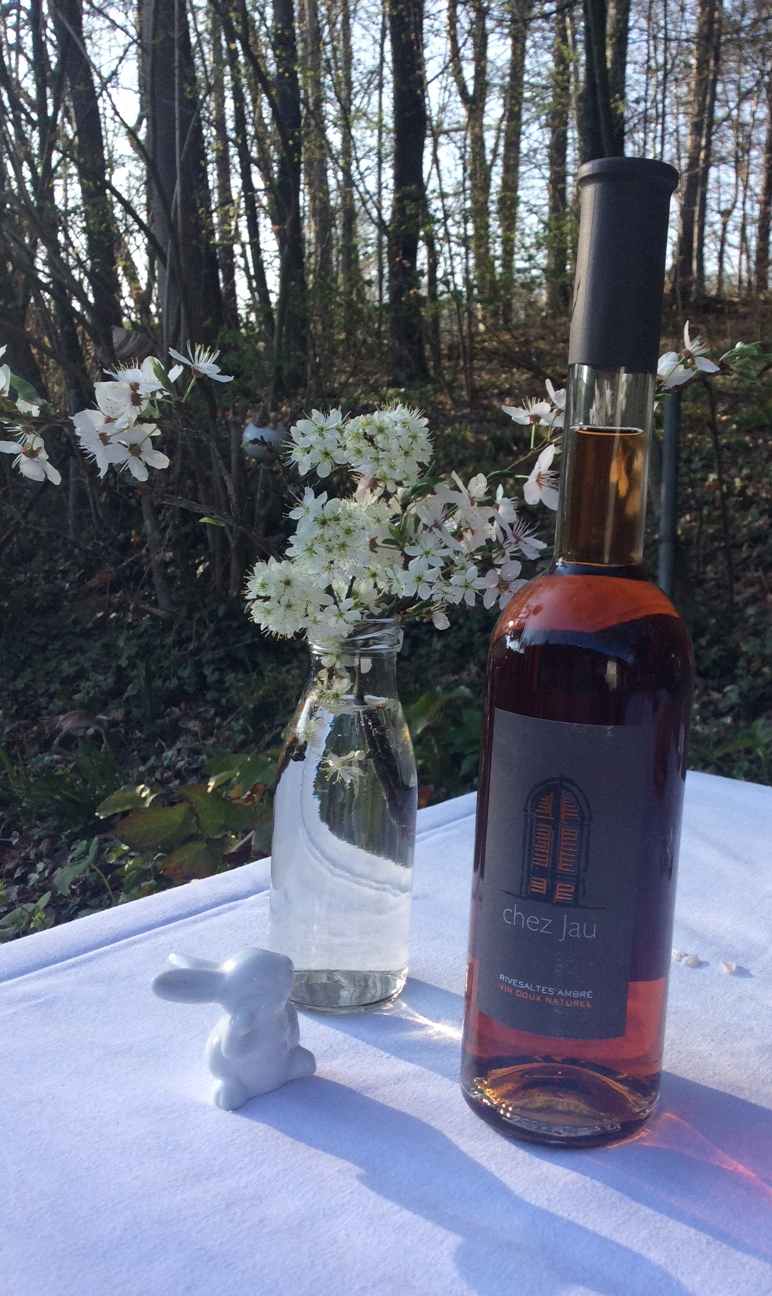
Rivesaltes Ambré – amber coloured complexity

My first experiences with Vin Doux Naturel (VDN) were characterized by fresh dark red, reductively vinified Banyuls (rimage), only later followed the oxidatively vinified bright to brick red Banyuls (traditionnel or Grand Cru) and finally the other types of VDN. This order is not surprising, because Banyuls is the most well-known and frequently represented wine in the German wine trade of the sweet French VDN. During a visit to Roussillon, which accounts for over 80% of the total … Read more ...

Cashmere from Tramin’s limestone

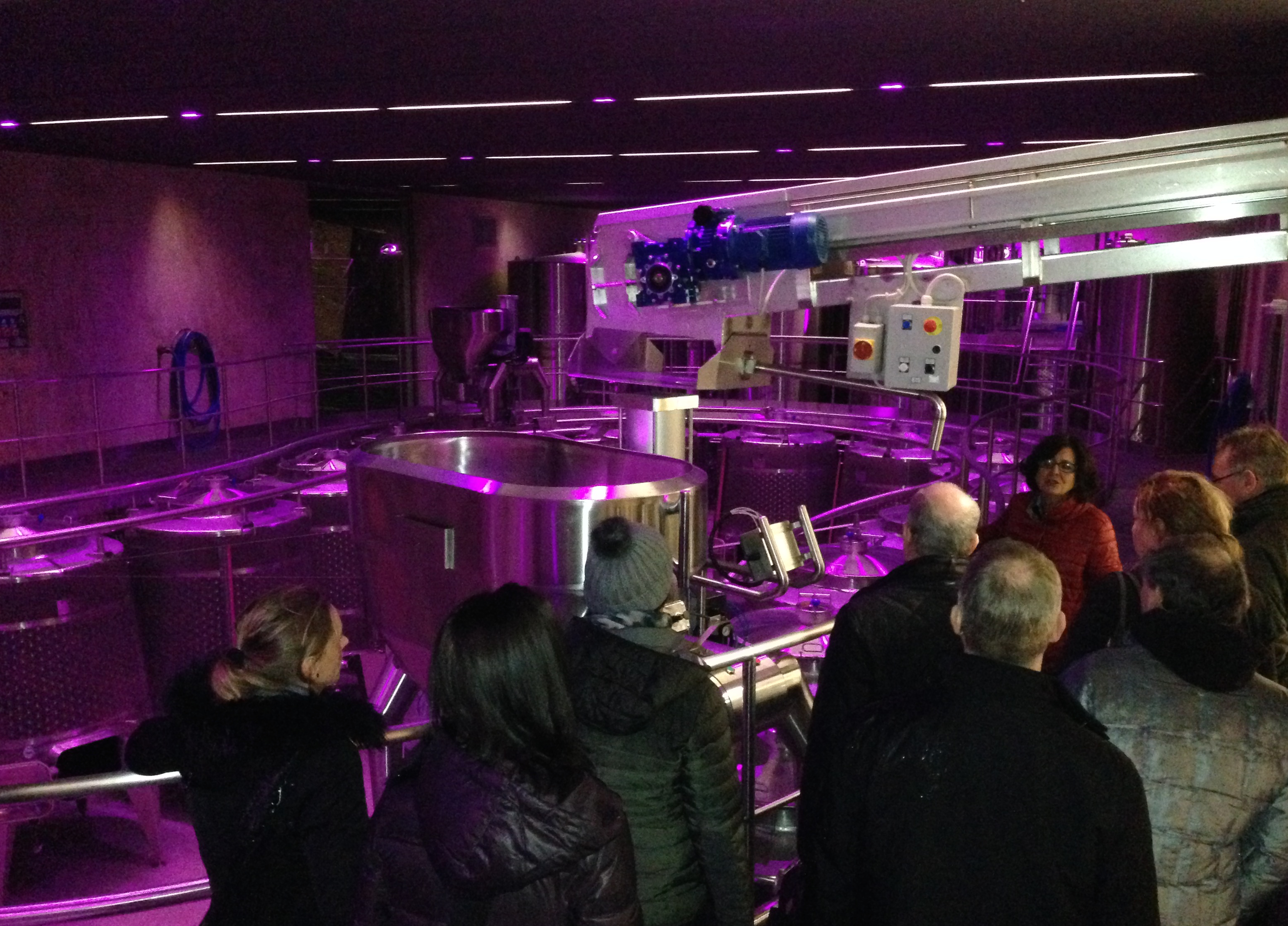
Wine cellar tour with Elena Walch

One third of the South Tyrolean winegrowing areas can be found in the Unterland winegrowing zone, which is the largest of the seven winegrowing areas in South Tyrol. The region Unterland is also the warmest and extends from Altenburg, about 5 km north of Tramin, along the Adige River to the Salurner Klause, the German-Italian language border. The Unterland also has the highest vineyards in South Tyrol. At an altitude of 1,000 m, the grapes for a well-known dry wine from South Tyrol, Feldmarschall von Fenner, ripen on the Fennberg near Kurtatsch. The proximity to Lake Garda with its mild climatic

Read more …

Via dei sapori: Friulian Picolit

The Consorzio Friuli Venezia Giulia Via dei Sapori had invited to trie Friulan products from the kitchen and the cellar. On 13 February this year, seven restaurateurs, twenty winegrowers and eleven delicatessen producers presented local specialties from the Friuli Venezia Giulia region in Munich. An excellent opportunity to introduce the outstanding products, the excellent, innovative and at the same time traditional cuisine as well as the variety of the very good Friulian wines to a wider audience. The offer, such … Read more ...