
Szamorodni, a word of the Polish language means “as grown”, which means in this case, that for these wines, the grapes are harvested as they are currently on the vine, so not only the berries infested by noble rot are selected, as it is the case with the harvest for the Tokaji aszú. Whether the so-harvested bunch of grapes produce the dry Szaomordni száraz or the sweet Szamorodni édes depends largely on the percentage of grapes infested by Botrytis (noble rot), because those have a higher sugar content than ripe grapes. The main part of the harvested grapes
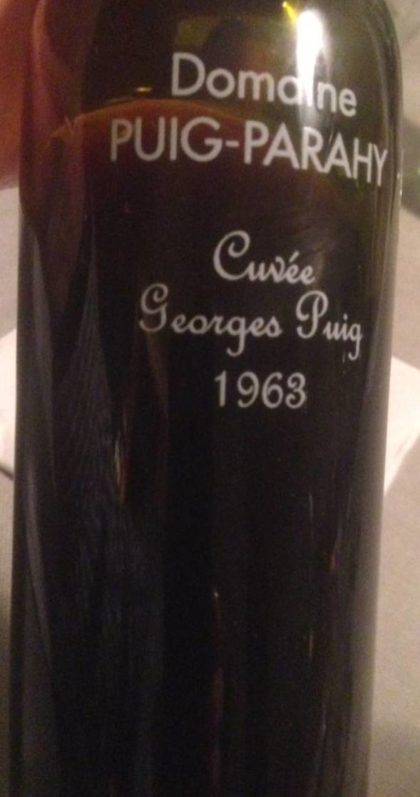
The Domaine Puig-Parahÿ is known for its Vin Doux Naturel (VDN). Nearly 50 vintages of Vin Doux Naturel, which are stored in Passa in the cellars of the Roussillon-based winery, are marketed. Many of these VDN date back to the last century. For Parker’s Wine Advocat, David Schildknecht had tasted just under a dozen of these VDN Rancios by Puig-Parahÿ from vintage vintages from 1875 to 1998 in 2009. They have been rated with 90 to 98 …
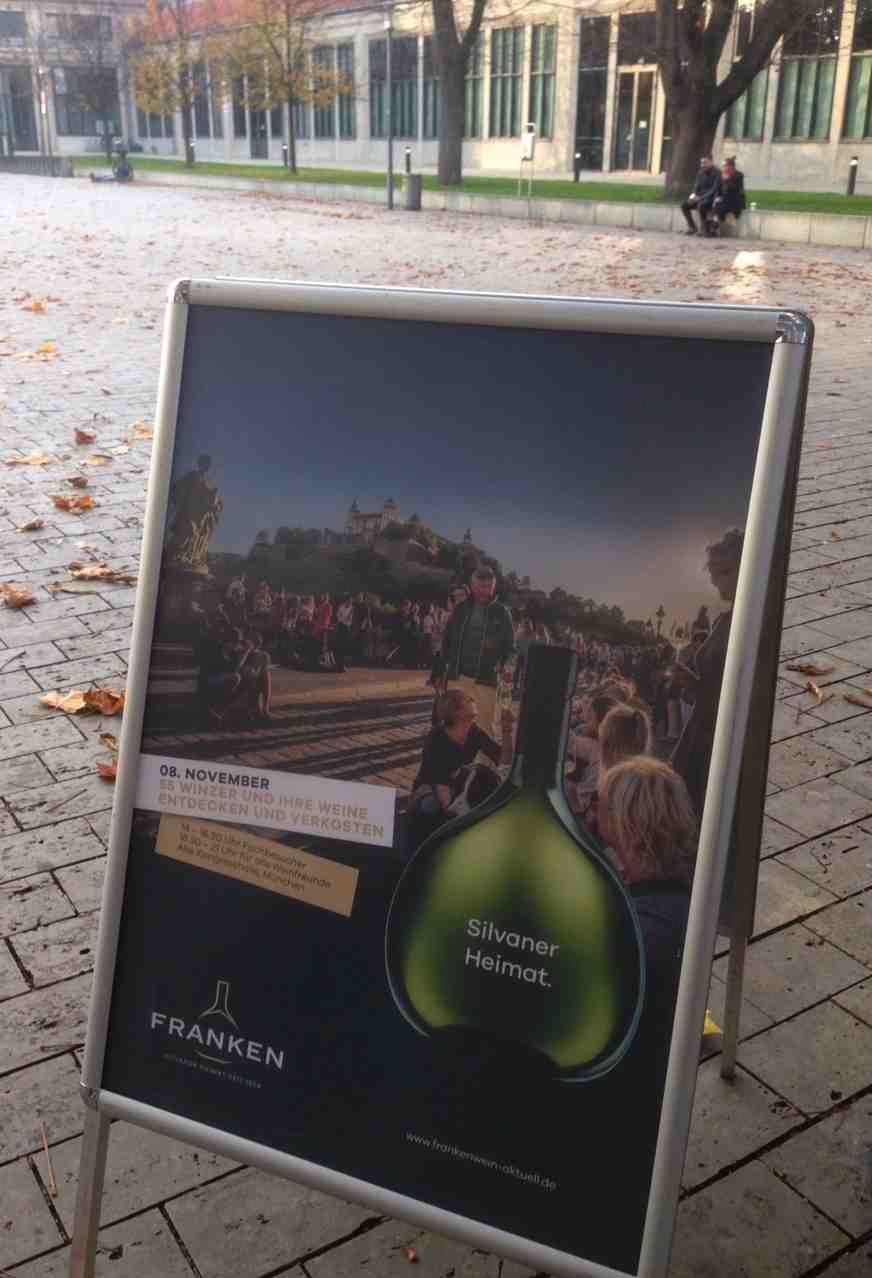
In the autumn, there are many wine events – selection is necesssary. Sweet wines are rarely to be found on tasting lists – if there is one -, mostly the winemakers have only dry wines with them. I wanted to taste dry Silvaner at the presentation of wine from Franconia, which was announced with the brand Silvaner Heimat seit 1659 (Home of Silvaner since 1659) created this year.
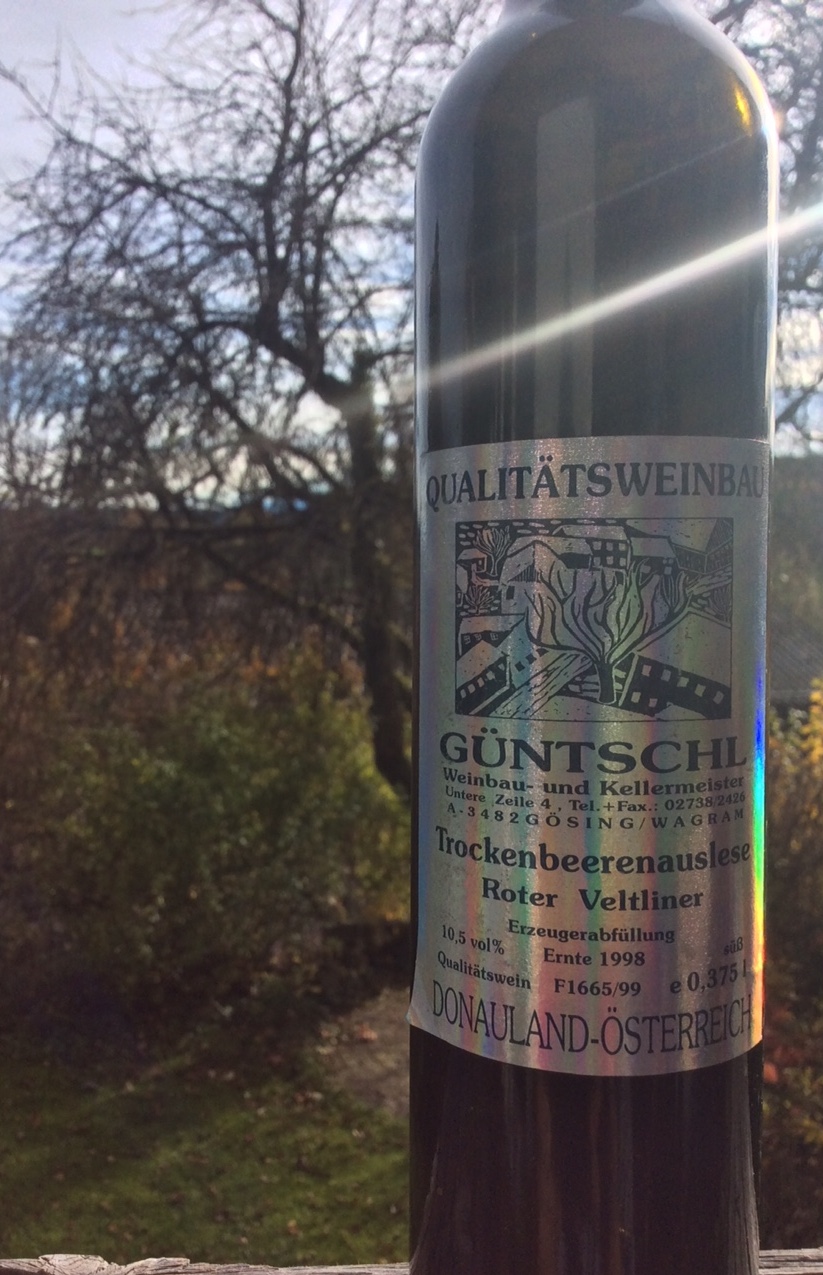
North and south of the Danube lies the Austrian winegrowing area Wagram. In the larger northern part of the wine thrives mainly on loess and sandy gravel soils. As in all of Austria, the Gruner Veltliner with a cultivated area of 1,330 hectares is also here the number one. Yet there is no other austrian winegrowing area in which more of the almost similarly named variety Roter Veltliner is cultivated than in Wagram – 82 hectares. With Gruner Veltliner, …
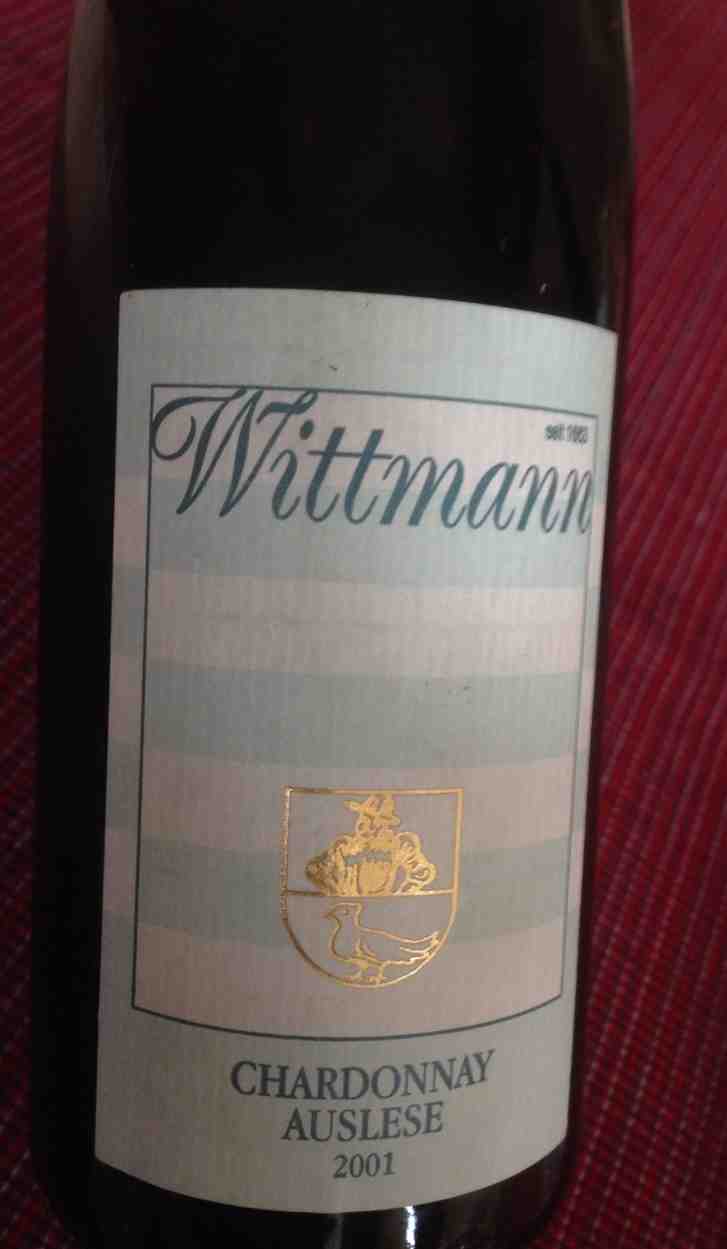
Chardonnay is a very versatile variety, which is reflected in dry wines in a variety of wine styles. Usually dry wines are produced with this variety, but there are also sweet and noble sweet Chardonnay variants, especially in Germany and Austria. Two characteristics make Chardonnay a very well suited grape variety for sweet wines. On the one hand, the variety definitely has enough acidity to balance residual sugar, on the other hand, the berries’ shells are thin enough to facilitate …
There are four different grades of sweetness according to German and EU wine law: dry, semi-dry, semisweet and sweet, in addition, one also finds the term feinherb. A term probably only used in Germany, which should convey to the consumer that the wine has a fine, slightly herb note, even though or just because it is not dry.
The fact that first-class dry Sauvignon Blanc is produced at Marlborough on New Zealand’s South Island only became known at the end of the 1980s, when Cloudy Bay‘s Sauvignon Blanc became a cult wine. Sensitivity to botrytis makes this grape variety a suitable candidate for sweet wine, as does the Riesling. If the microclimate is right, there is a body of water like river or lake nearby, so wet fog can develop with its humidity, but quickly dry off …
Puglia, which competes against Sicily for the second largest wine-producing region in Italy, is known for its high yields in viticulture, even in DOC areas. There are nearly a dozen sweet types of wine in Puglia, including the sweet specimen of the otherwise dry Apulian Primitivo di Manduria and, almost inevitably in Italy, a sweet Moscato.