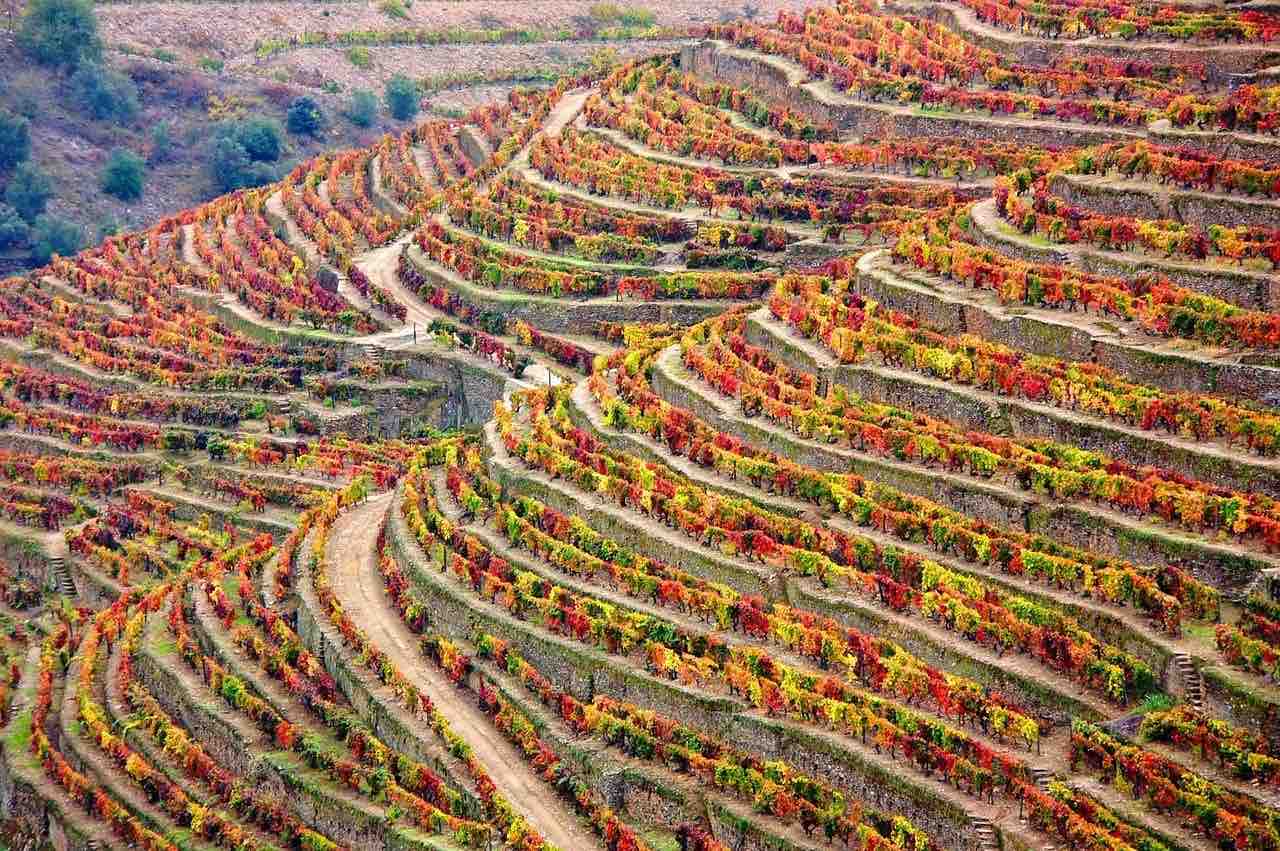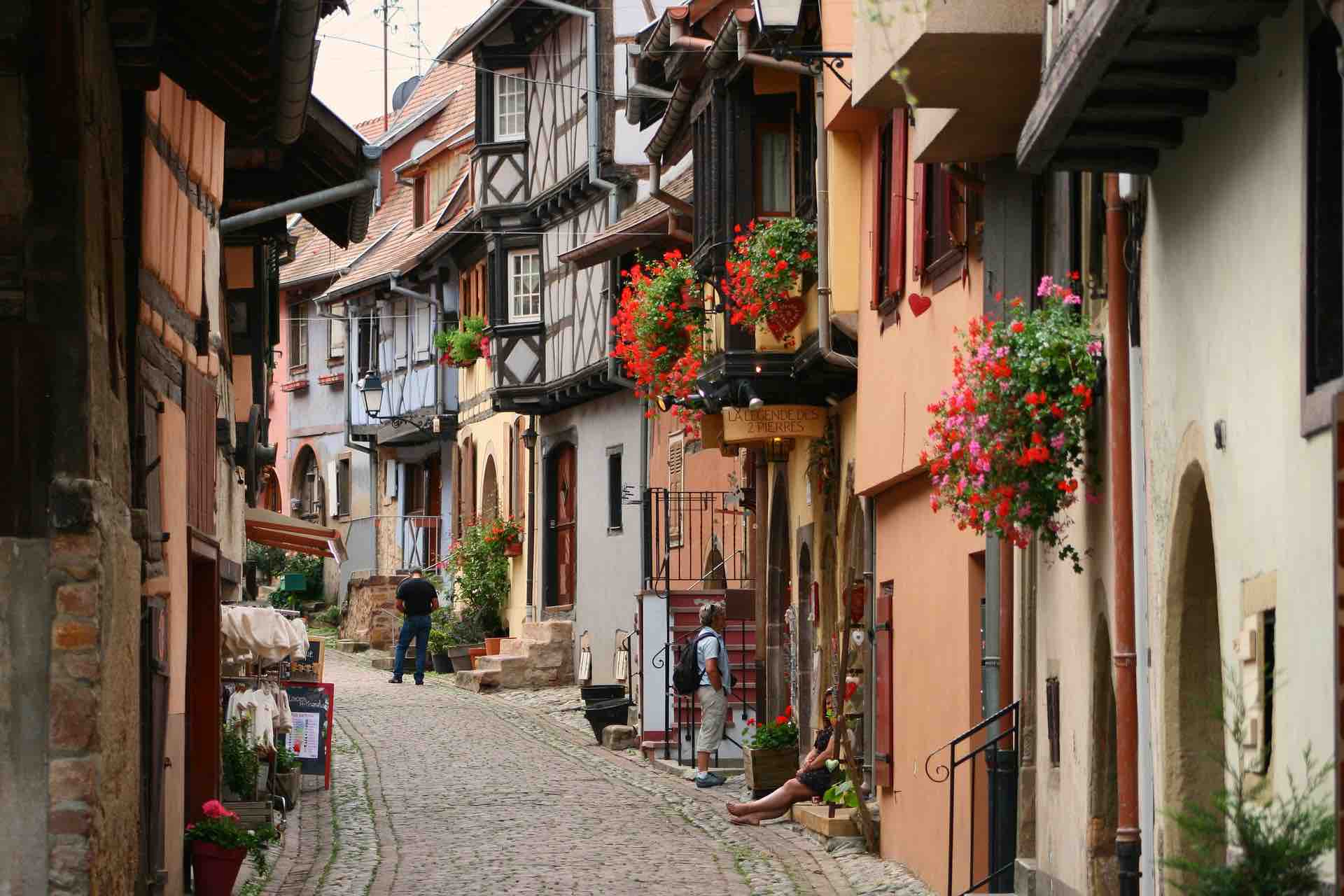
Every year thousands of tourists conquer the picturesque villages of Alsace, such as Eguisheim, Turckheim or Colmar. But while the number of guests has increased over 15% in the last ten years, it has probably not improved the reputation and popularity of Alsatian wines abroad. For the second time in a row, Alsace’s wine exports were 10% below the long-term average in 2017, resulting in a reorientation of the Alsatian wine marketing by the CIVA (Conseil Interprofessionnel des Vins d’Alsace) in 2018.


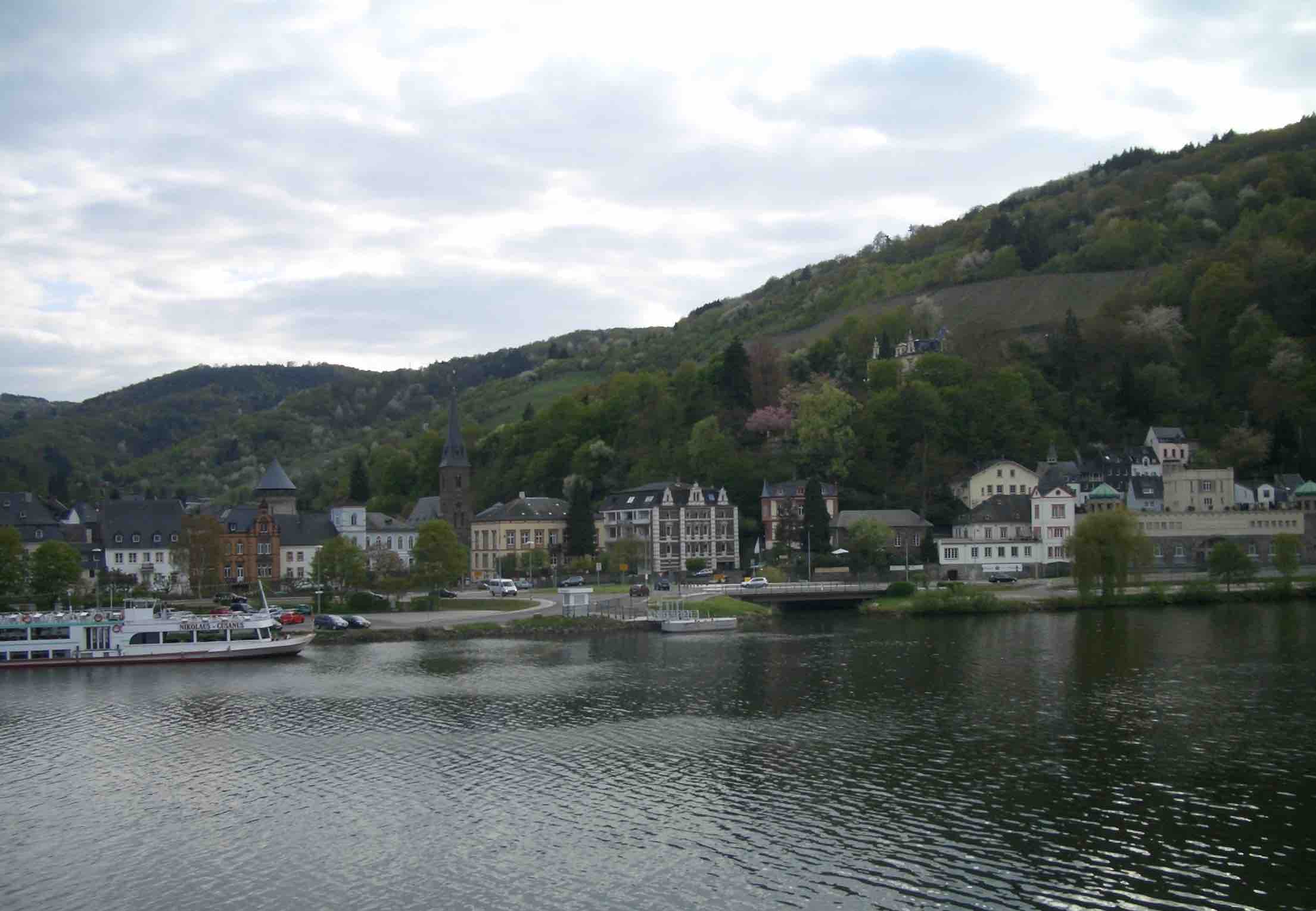
A few minutes away from the Hotel Bellevue lies the winery Weiser-Künstler in Traben-Trarbach. The Art Nouveau hotel recalls the wealth of the city at the time of the very profitable trade in Riesling wines around 1900, when the Mosel town, after Bordeaux, was the second largest wine trading town. So it is not surprising that many of the vines there have a considerable age and also, not so few of them are growing on their own roots, so are not grafted.


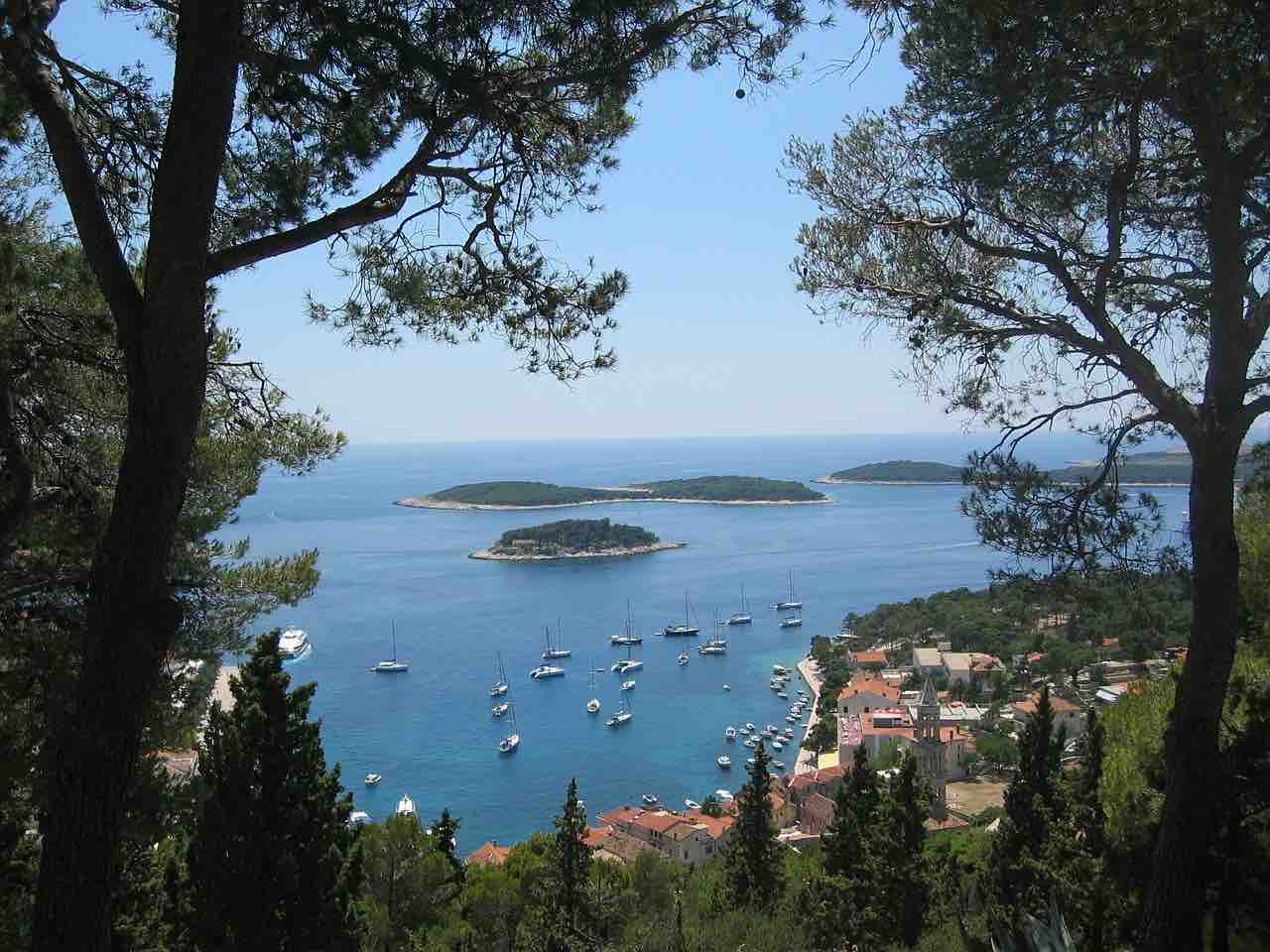
Moscato Rosa del Trentino – called in South Tyrol Rosenmuskateller – a grape variety that is found almost exclusively in northern Italy and especially in South Tyrol, does not come from Sicily, as often claimed in Italy, but most likely from Dalmatia. In this respect, the synonym of the variety Moscato Rosa del Trentino is a bit misleading, as far more than 85% of the approximately 100 hectares of the Italian Rosenmuskateller vineyards are in South Tyrol. Outside Italy you …